The pandemic took away contact sports for all of us, so we all had to find ways of staying in shape and feeding the competitive fire. Running, in general, has become very popular and long distance running is particularly well suited for those extra competitive types. So, the best long distance running shoes are important, especially for those less experienced runners that are just getting into the sport.
It’s actually more difficult than you may think to find a shoe that will last you many, many miles. There are so many boxes to check. Is the upper durable and comfortable? Does the midsole maintain cushioning over the long haul? Does the outsole grip in all conditions and last longer when running on hard surfaces?
Our testers here at WearTesters have put in many miles and hours in these shoes. They do it, so you don’t have to worry about purchasing a shoe and then not liking it. We’ve collected all those findings in one place, our list of the best long distance running shoes.
Best Long Distance Running Shoes for Everyday Use:
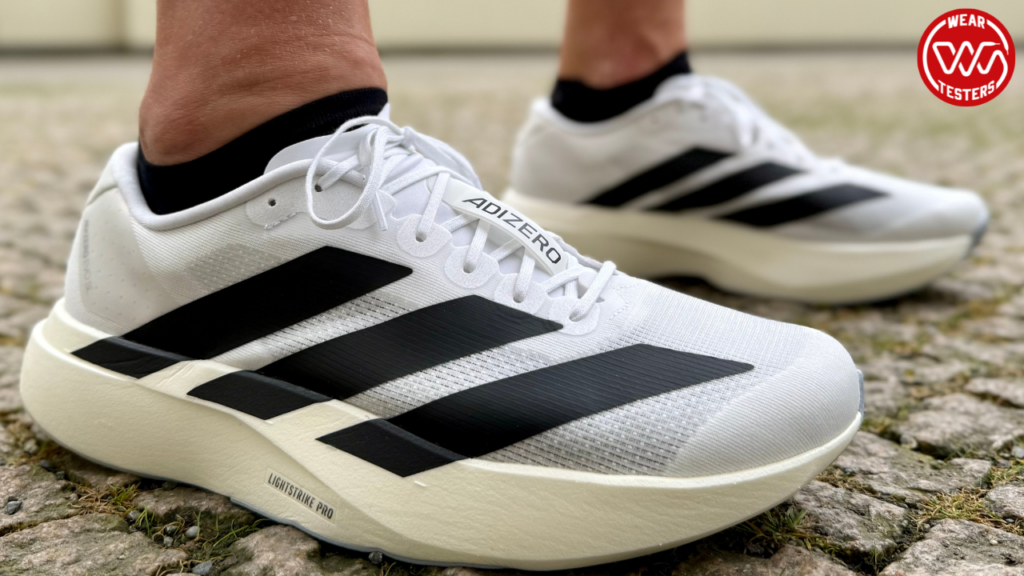
adidas Evo SL
Between its high-but-not-max stack height and its unbelievably reasonable $150 price tag, adidas is set to rewrite the super trainer playbook with the Evo SL. Rather than proving its performance chops via a jacked up midsole and a jacked up price to match, the Evo SL takes the best from models like the Adios Pro Evo 1 and the Adios Pro 3 to make one of the most exciting, versatile, and value-packed trainers to date.
The Evo SL features a high-performing and durable Continental Rubber outsole, a simple, but very effective engineered mesh upper (whose only flaw was a slippy tongue), a small midfoot shank, and a lively, full-length Lightstrike Pro midsole. Much of the setup mirrors that of the Adios Pro 3 (minus that shoe’s carbon rods). But the Evo SL adopts its rocker geometry from the exceptional Pro Evo 1, placing the rocker point farther back. The result is a shoe that’s bouncy yet stable, great at daily running, and also makes going fast feel easy. Despite its lack of a stiffening element like a plate or rods, the Evo SL has an elite toe-off that competes with shoes well above its price point, making it a perfectly viable (and affordable) option for those looking to go carbonless on race day.
We’d recommend going with your typical adidas size with regard to length (often a half size down from your size in other brands), and the forefoot room makes the Evo SL one of the more wide foot friendly adidas models. However, those who need more space at the rearfoot may need to try it on, as the Evo SL narrows at the heel. See the full review.
Fits: Typical adidas, Drop: 6.5mm, Price: $150
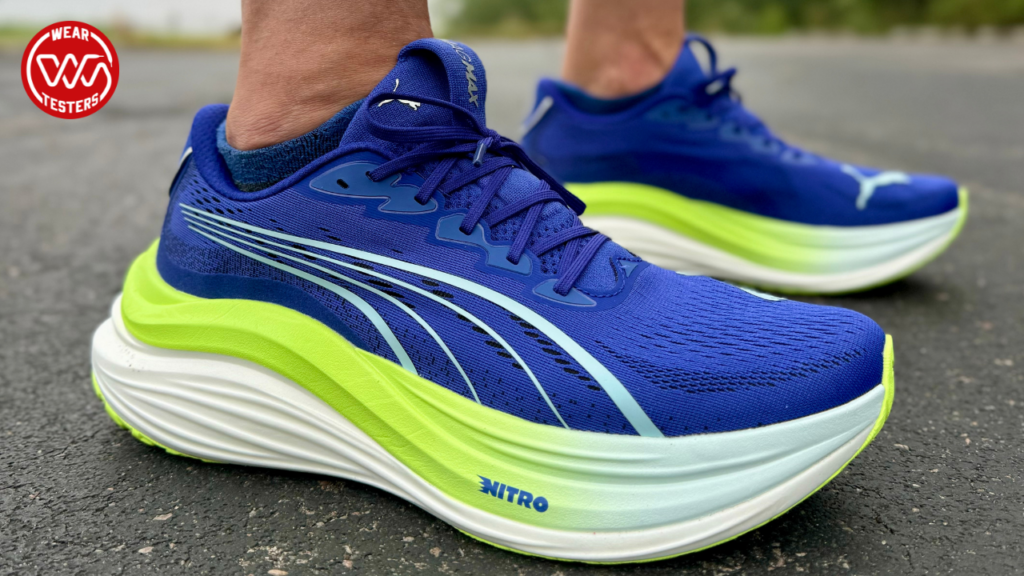
Puma MagMax Nitro
The Puma MagMax Nitro is a fantastic running shoe and is ready to compete with all the other super trainers on the market. For us, it’s one of, if not our favorite long run shoe. It’s also getting worn when our legs need to be babied the day after a hard workout. It’s protective with plenty of cushion but also makes our stride feel fairly effortless with a nice bounce on toe off. The Puma MagMax Nitro is a powerhouse running shoe. Read the full review.
Fit: True to size, Drop: 8mm, Price $180
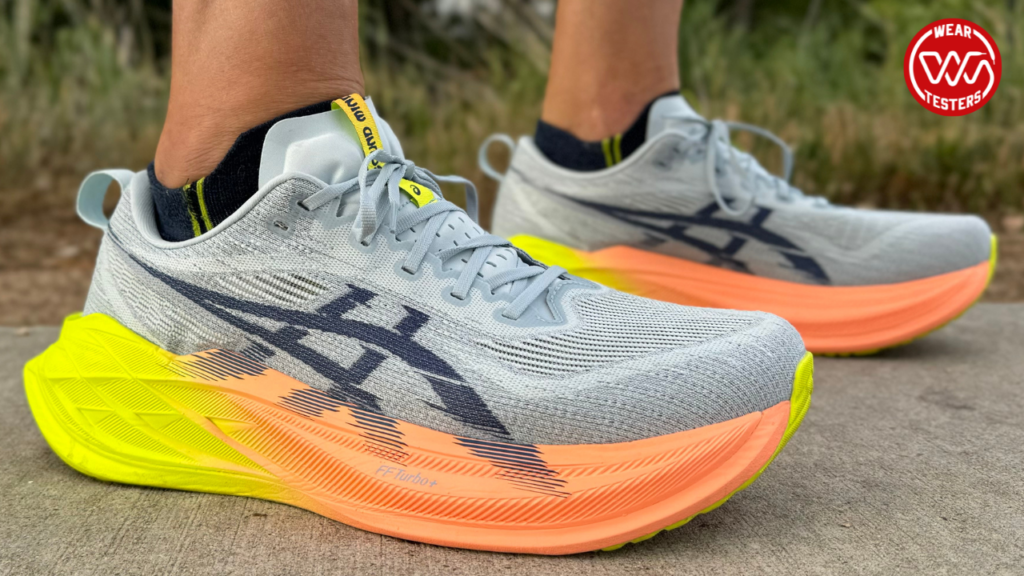
Asics Superblast 2
The Asics Superblast 2 is an all around improvement from last year’s cult classic. It’s versatile enough to handle anything a runner needs to do including easy runs, tempo runs, speed work, and race days. It’s wide foot friendly with an accommodating engineered woven mesh upper that molds to your feet. The traction, stability, durability, and breathability are all top notch. And the great upper sits on top of a soft yet bouncy FF Turbo+/FF Blast Plus Eco midsole that delivers a fantastic ride. The Superblast 2 doesn’t have any glaring negatives (a rare occurrence in the shoe reviewing business). It’s one of the best shoes on the market. See the full review.
Fit: True to Size, Drop: 8mm, Price: $200
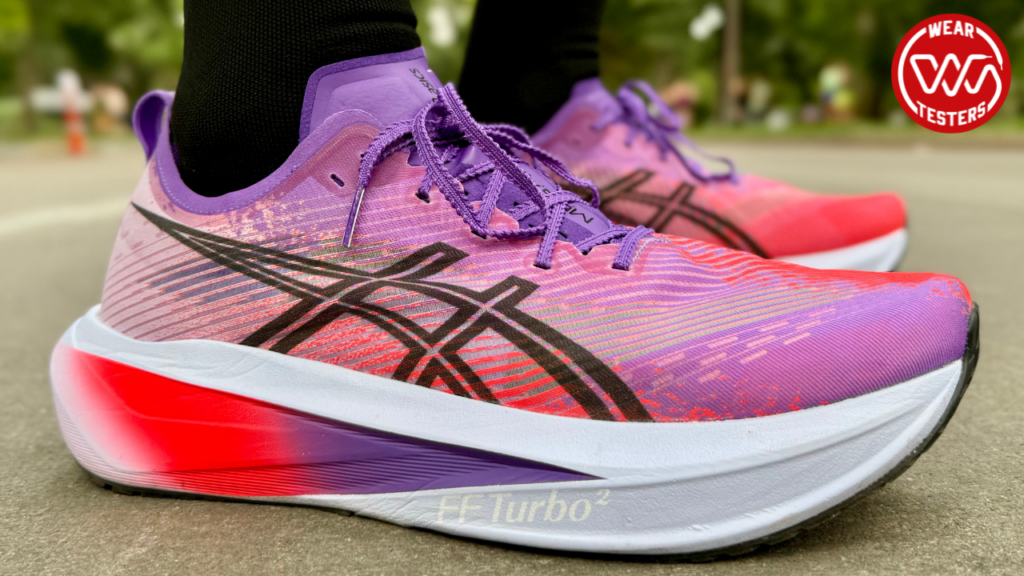
Asics Megablast
The Asics Megablast, which I’m declaring the best “blast” of them all, is a personal favorite for good reason, providing a ridiculous amount of cushion with its FF Turbo² midsole that is so bouncy and responsive you’ll seriously wonder how Asics managed it without a plate. This shoe provides a super shoe-like helping hand for everything from a road mile to long runs, offering a fantastic experience that makes running easier and proving its versatility as a top-tier super trainer. However, the upper presents a polarizing, slim race fit, complete with a lackluster tongue and a pointy toebox that will unfortunately rule out many wide footers who won’t be able to experience its luscious bounce. Despite those minor gripes, Asics has delivered one of the most fun and high-performing shoes on the market, easily justifying the $225 price tag for runners who want a plateless, durable option for their toughest workouts and long efforts. For more details, read the full review.
Fit: True to Size, Drop: 8mm, Price: $225
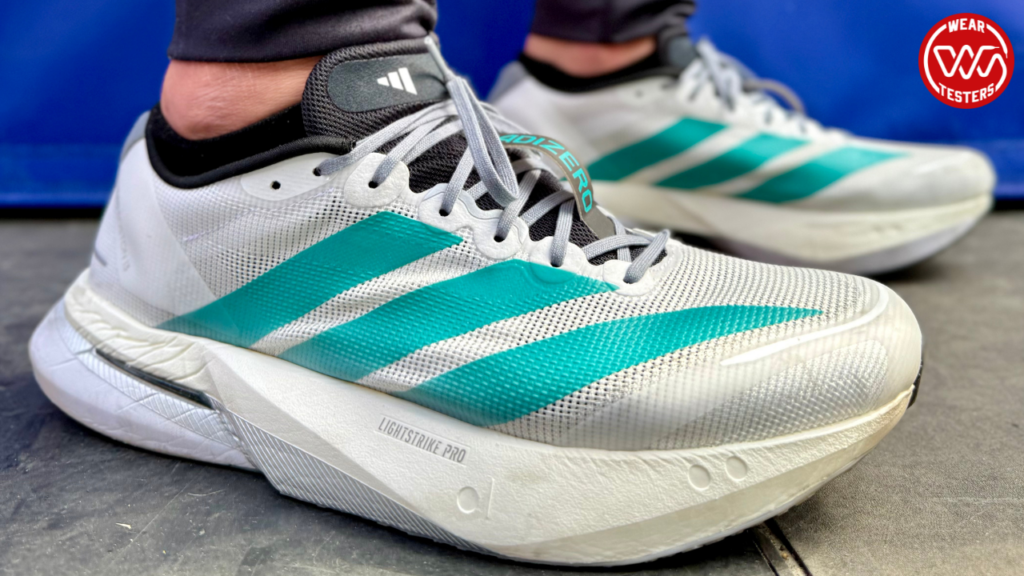
adidas Boston 13
The adidas Adizero Boston 13 makes some positive changes from the Boston 12 and creates a fantastic uptempo shoe that complements the rest of adidas’ powerhouse performance running line.
Pros abound, such as the bouncy Lightstrike Pro in the forefoot that’s great for speed work, the less stiff, but effective carbon energy rods that are tuned for long-distance training, an extremely comfortable tongue and collar for all-around comfort, and a highly stable ride for heel strikers. While the Lighttraxion outsole with Continental rubber grips extremely well, its subpar durability is the Boston 13’s main Con.
While some wide-footers may find enough room in the toebox, the midfoot might not be accommodating enough for others. We often suggest going a half size down in adidas vs other brands, and that’s our recommendation here for many. But wide-footers in particular will do best to try on the Boston 13 in-store (or order from somewhere with a good return policy) to be sure it will work for them.
The adidas Adizero Boston 13 manages to deliver super trainer and speed work performance at the same price as many daily trainers ($160), making it a great value. It’s best used for a hybrid of easy miles and speedy ones, whether training calls for intervals on the track, long-distance tempo or threshold sessions, or fartleks. The Boston 13 thrives most when leg turnover increases, and it possesses a versatility that’s accessible no matter the size, shape, or footstrike of the runner. For more details, read the full review.
Fits: Typical adidas, Drop: 6mm, Price: $160
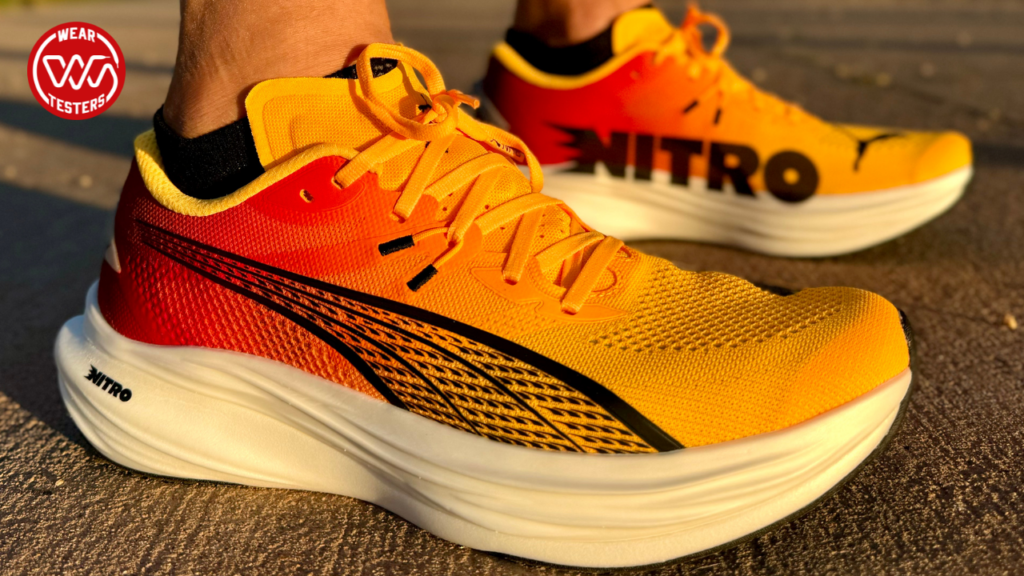
Puma Deviate Nitro 3
The Puma Deviate Nitro 3 is a great all-around running shoe, with the only concern being a narrower fit (though there is a wide version on the Puma website). The Deviate Nitro 3 doesn’t feel great in terms of the initial step-in squish but feels amazing the more you run, and the faster you run. It’s a smooth ride with a cushion/plate combo that feels great during workouts and helps the legs recover quicker.
The upper is breathable and very comfortable. The outsole uses Pumagrip, the best rubber outsole compound currently available, so you’ll get 100% confidence in the traction no matter the conditions. The Deviate Nitro 3 is one shoe that can do it all and delivers value at the $160 price point because it can soak up daily miles and go uptempo with great results whenever needed.
Fits: True to Size, Drop: 8mm, Price: $160
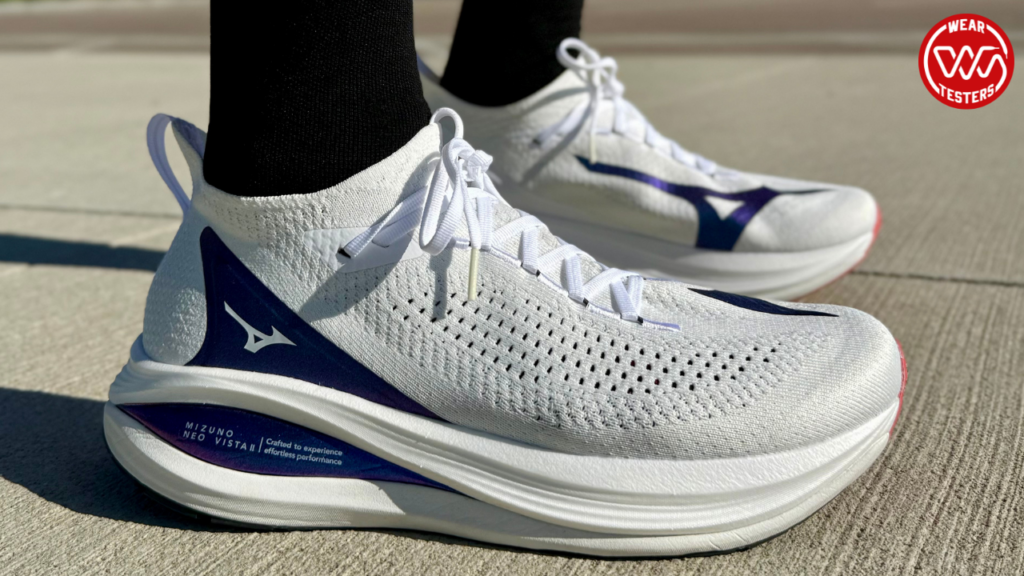
Mizuno Neo Vista 2
The Mizuno Neo Vista 2 continues to prioritize the soft and springy ride, max-stack versatility, and smooth geometry of the original. While some aspects of the shoe’s roll-through could be polarizing depending on a runner’s mechanics, the Neo Vista 2 remains a great option for those seeking a fun and bouncy super trainer that makes the ground all but disappear underfoot.
Pros include: one-shoe-to-do-it-all versatility; the king (and queen) of bounce; and a unique aesthetic guaranteed to turn heads. Cons to consider: its high stack may not be for all runners; true wide-footers may be challenged by the fit; and…is there such a thing as too much bounce/plushness…? The Mizuno Neo Vista 2 is true-to-size in length but narrows sharply at the back of the midfoot and heel to help the effective knit upper achieve a secure and supportive fit. So if you need lots of room at the back of the foot, you may need to pass. But many wide-footers will find sufficient room up front for toe splay. The Mizuno Neo Vista 2 is a versatile super trainer built to soak up the miles and blunt the impact forces that typically make the body feel drained. It can do long runs and the tempo sections your coach throws into them as your target race gets close. It also excels at easy-paced recovery runs where taking care of the body is key.
The Mizuno Neo Vista 2’s impressive midsole, support, and really the total package all allow it to hold its own at the common super trainer price of $200. You’re not getting hidden value, but you’re getting something fun and functional enough to make you feel good about spending that much while you cruise through the miles. For more details, read the full review.
Fits: True to Size, Drop: 8mm, Price: $200
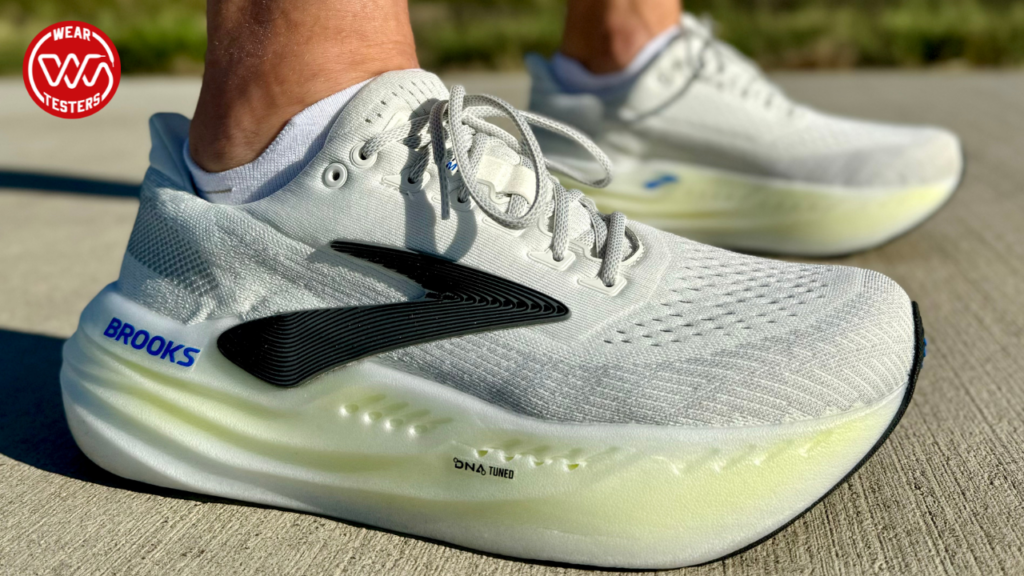
Brooks Glycerin Max
The Brooks Glycerin Max is the company’s first entry into the truly max-cushioned, super trainer category, and it’s one heck of a debut. The nitrogen-infused, brand-new DNA Tuned midsole setup, with its softer central portion of cushioning surrounded by a denser outer cage, makes for plenty of comfort directly under the foot without sacrificing stability around corners. Brooks also uses dual-cell technology, which means there are larger cells of foam in the heel and smaller cells in the forefoot. That tech combines with the GlideRoll Rocker geometry to create ultra forgiving heel landings that quickly transition into satisfyingly bouncy toe-offs.
Grip and durability were impressive, though the outsole does have a tendency to pick up tiny, pebbly interlopers. And while the upper performs solidly and is wide-foot friendly, it doesn’t quite live up to Brooks’ own lofty standards. Overall, we thoroughly enjoyed the Glycerin Max for anything from recovery runs, to long runs, to long tempo sessions, making it an extremely worthy choice at the $200 price point. Read the full review.
Fit: True to Size, Drop: 6mm, Price $200
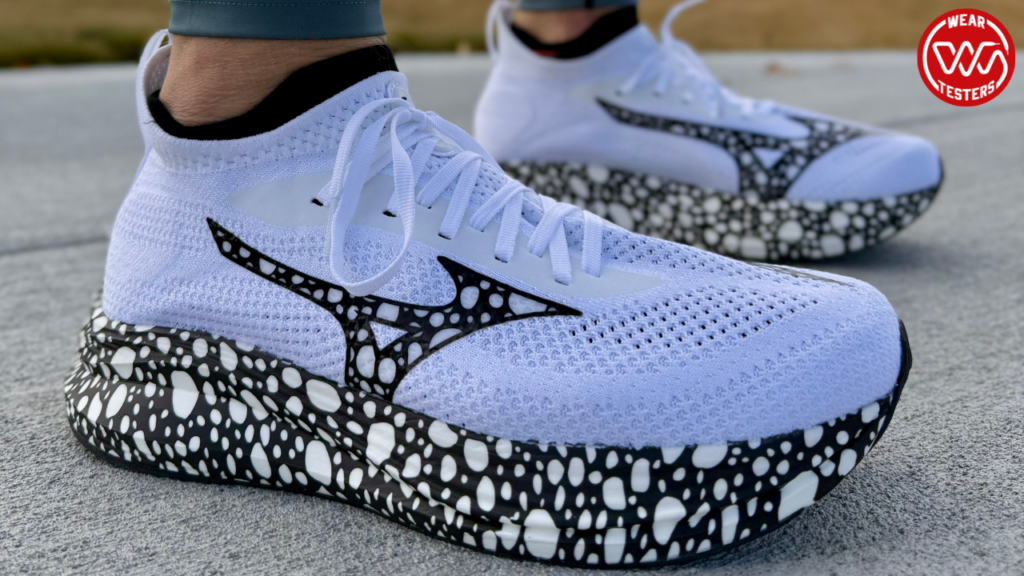
Mizuno Neo Zen
The Mizuno Neo Zen keeps the exquisite, Smooth Speed Assist rocker geometry and the nitrogen-infused, ENERZY NXT midsole of last year’s well-liked Neo Vista. But the Neo Zen ditches the plate and brings down both the price and the stack to more accessible levels ($150 and a “mere” 40mm in the heel and 34 mm in the forefoot). The X10 rubber outsole bears the same, effective outsole pattern and should provide durability in-line with typical daily running shoes.
The breathable, fully knit upper has a bit more volume in the forefoot than may be necessary, and the lacing in that area isn’t the most effective. However, lockdown is achievable via the rest of the lacing; it may just take a few runs to dial it in completely. But the overall fit nicely accommodates a variety of foot shapes, including our wide-footed friends.
The Mizuno Neo Zen has an incredibly lively and smooth ride that offers an impressive amount of versatility for anything from recovery runs, to track work, to tempo runs, to long runs. The $150 price point and high performance echoes the adidas Evo SL, and we feel the Mizuno Neo Zen likewise provides plenty of value with a fun, bouncy feel. See the full review.
Fits: True to Size, Drop: 6mm, Price: $150
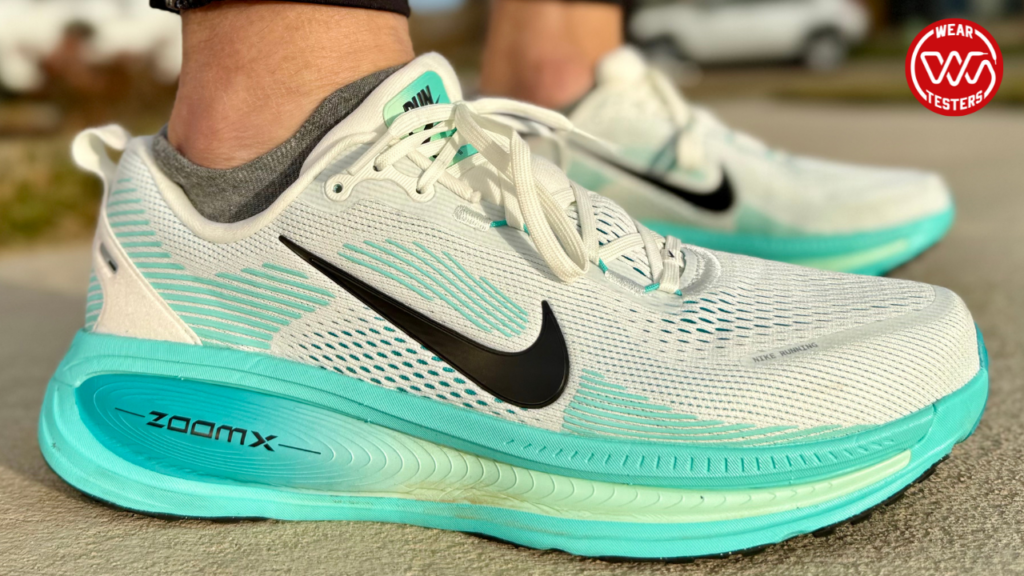
Nike Vomero 18
The Nike Vomero 18 is the first entry in Nike’s new Maximum Cushioning pillar. In fact, its 46mm heel/36mm forefoot gives it the highest stack ever in a Vomero. The combination of a thin ZoomX layer on top and a beefy hunk of ReactX foam underneath make for a ride that feels more like a hybrid of the Vomero 17 and the InfinityRN 4 rather than a true Vomero (minus the InfinityRN’s polarizingly prominent arch); the Vomero 18 loses some of the uptempo versatility of Vomeros of yore as a side effect. While all that extra cushion also means a significant weight increase that won’t escape notice, performance doesn’t actually suffer. The Vomero 18 successfully resists feeling at all clompy or bulky thanks to the improved rocker geometry and smooth ride. The result is a shoe that may be less inclined toward pacy stuff but that’s highly capable of keeping you turning over in comfort through even your longest of marathon training runs.
While lacing and the mesh upper are different from the Vomero 17, the added heel tab is the only significant upgrade regarding the upper. As for the outsole, there’s thick durable, waffle-patterned rubber where it counts and a less dense, boxy pattern in less high-wear areas to save a bit of weight. The waffle pattern gripped well on multiple surfaces, and, while durability may not be at the quite same (extremely high) level of the Vomero 17’s outsole, it should be in the typical 300-500 mile range. The fit is true-to-size in length; however, we’d suggest most wide footers opt for the wide version, as the standard Vomero 18 isn’t particularly accommodating. Ultimately, the Vomero 18 may sacrifice some speed in favor of cushion, but it’s a reliable, easy day and long-distance cruiser with a smooth, efficient ride – and it comes in at a surprisingly competitive price. See the full review. Price: $150
Fit: True to size, Drop: 10mm, Price: $150
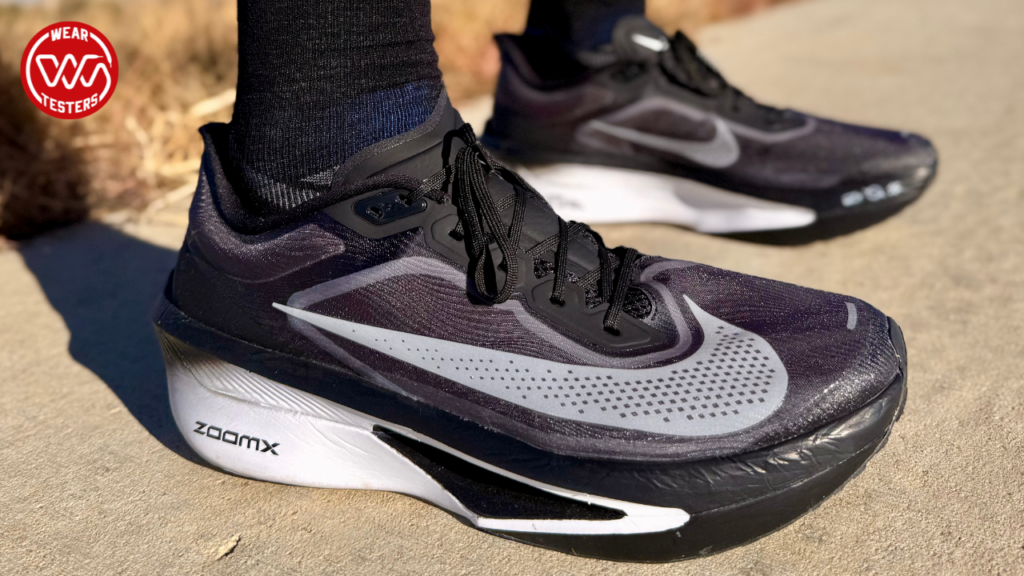
Nike Zoom Fly 6
Nike finally has a distance training partner worthy of the Alphafly’s legendary race day performance. The Zoom Fly 6 may also be Nike’s long-awaited competitor to supertrainers like the well-loved Asics Superblast 2 ($200). In fact, the Zoom Fly 6’s $170 price tag is only slightly higher than many “regular” daily trainers that often sit in the $160 range.
While the shoe’s length feels very short at first, our testers were ultimately happy going true-to-size. The fit is surprisingly accommodating at the forefoot (for a Nike shoe), but true wide footers may still need more room, particularly through the very snug-fitting midfoot. Other cons include laces that easily come untied if you don’t have enough length to double-knot them, as well as the fact that everyone will hear you coming as you hit the pavement. But our testers loved the run experience. The Zoom Fly 6 sports a dual-layer cushioning setup of ZoomX and SR-02, with a full-length, carbon fiber Flyplate sandwiched in between. The result is a protective and responsive ride with a firmer feel. While we wouldn’t recommend it for anything other than road surfaces, the Zoom Fly 6 is more stable underfoot than expected given its midsole setup, and the well-performing, breathable upper especially shines in warm weather conditions. The Zoom Fly 6 is a versatile training option whose energy return keeps propelling you forward at any pace. It can take you through more relaxed daily runs as well as through uptempo and longer efforts without ever losing its fun factor. See the full review.
Fit: True to size, Drop: 8mm, Price: $170
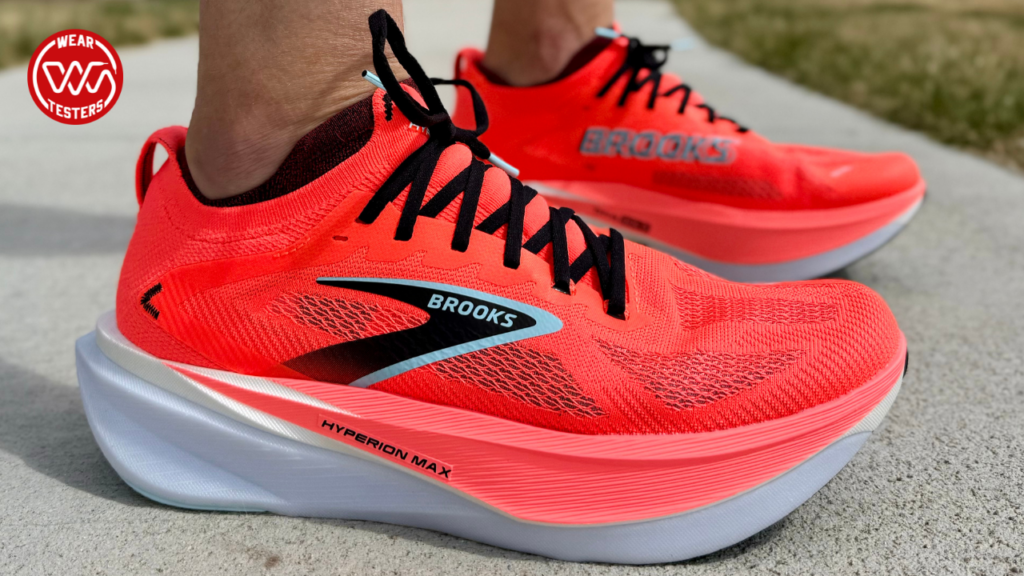
Brooks Hyperion Max 3
The Brooks Hyperion Max 3 is a long-run ready super trainer with an all-new cushioning setup that takes the shoe to the next level of underfoot comfort and response. A plush but bouncy DNA GOLD (PEBA)/SpeedVault plate/DNA FLASH v2 combo in the midsole, the RapidRoll Rocker geometry’s smooth transitions, and a breathable and comfortable sock-like upper with nice heel and tongue padding all combine for Pros aplenty. Whereas outsole durability issues, an increase in weight (in accordance with the massive increase in stack height), and tightness through the midfoot account for the Hyperion Max 3’s Cons.
As a result of the upper design, we’re not sure this is the most wide-foot friendly option from Brooks and definitely suggest wide-footers – especially those who need extra room anywhere throughout the midfoot – try on the Hyperion Max 3 in-store or purchase it from somewhere with a good return policy. But the Hyperion Max 3’s long-distance versatility, its bouncy, high-end foam, and its comfort justify the $200 price point, and it now competes well with shoes like the same-priced Asics Superblast 2 (which seems to always have much more limited availability).
This high stack of foam isn’t necessarily suitable for those with ankle stability issues or traversing sketchy, uneven roads. But for long runs where extra plushness and bounce make a big difference for either uptempo work or simply for protecting the body from taking a pounding, the Hyperion Max 3 is a very reliable and fun companion. For more details, read the full review.
Fit: True to Size, Drop: 6mm, Price: $200
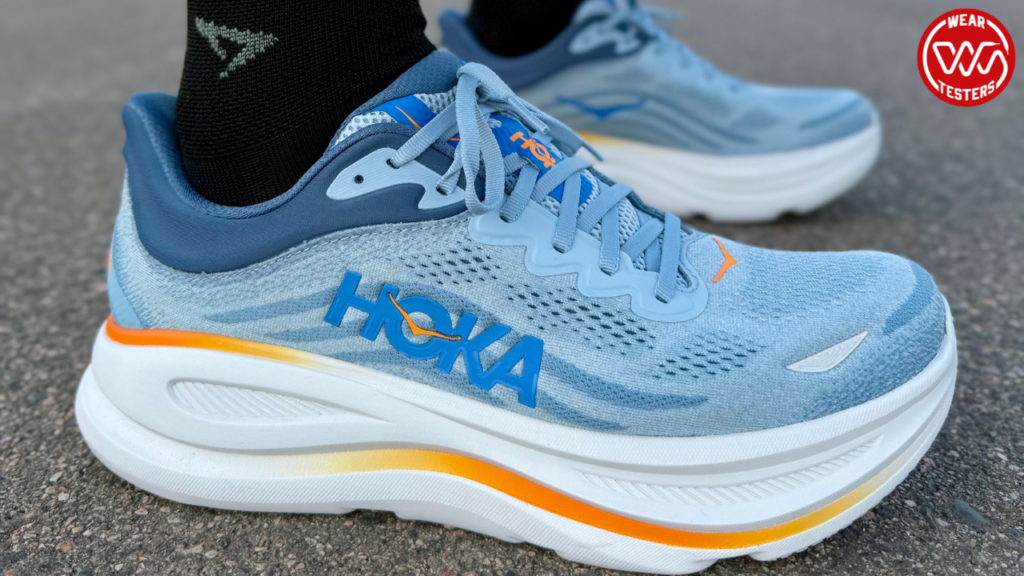
Hoka Bondi 9
Hoka has given the Bondi 9 a supercritical EVA midsole (with an additional 2mm of stack) that has considerably more life in it than previous versions. The upper, which Hoka describes as an engineered mesh, feels like a higher-end knit material, and the shoe has a plush and premium feel overall.
While you’re not going to be able to pick up the pace in it, the Bondi 9 is super comfortable for easy runs, recovery runs, some long runs, walking, and/or standing all day. The MetaRocker and upgraded foam allow this max-cushion, hulk-of-a-shoe to somewhat belie its bulk, making for a surprisingly smooth and stable ride.
We ultimately felt this foam and overall setup outperforms that of the recently-debuted Hoka Skyflow. Testers were split on whether the Bondi 9 truly earns its slightly higher, $170 price point compared to other strong performers in its category in the $160-$165 range. But one thing is certain: the Bondi 9 is easily the best-running Bondi that Hoka has made. Read the full review.
Fit: True to Size, Drop: 5mm, Price: $170
Best Long Distance Running Shoes for Race Day:
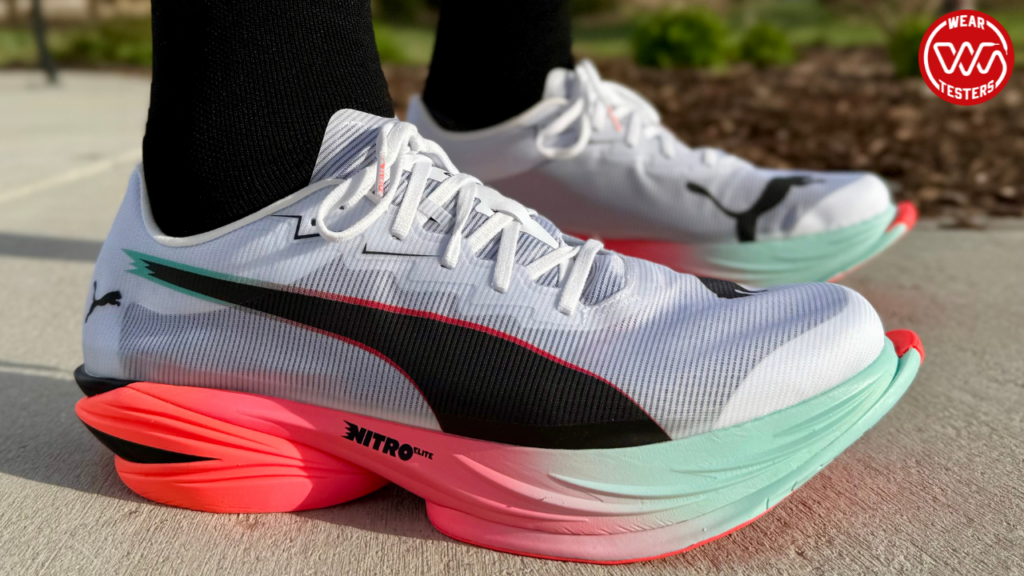
Puma Fast-R 3
The Puma Fast-R NITRO Elite 3 is a leap forward for Puma’s marathon racing shoes, and an independent study shows it provides an astonishing 3.15% improvement in running economy. Those legitimate study results that back up its marketing claims, a midsole with a smooth rocker and elite bounce, a minimal but comfortable upper, and the potential to work well for various footstrikes (despite its midsole cutouts) are among the Fast-R 3’s impressive and numerous Pros.
Its Cons include an annoying, paper-thin, foldy tongue that is difficult to set in place (though it then stays put on the run), questionable outsole durability that’s uncharacteristic of typical Puma shoes (though the incredible grip remains), and a high price point. Length is true-to-size, but we’d caution that wide-footers should definitely try on the Fast-R 3 in-store (or purchase from somewhere with a good return policy) due to the definitively snug fit throughout.
The efficiency the Fast-R 3 offers is undeniable, and it’s best used for road races from the 5K to the marathon along with the workouts – like intervals, tempo, and threshold runs – that come with training for those races. It may not be the road racing shoe for everyone, but the Fast-R 3 sits firmly in the top tier of racing shoes and should be in the consideration set of any runner who’s looking for every little edge to climb the mountain to their next PR. For more details, read the full review.
Fit: True to size, Drop: 8mm, Price $300
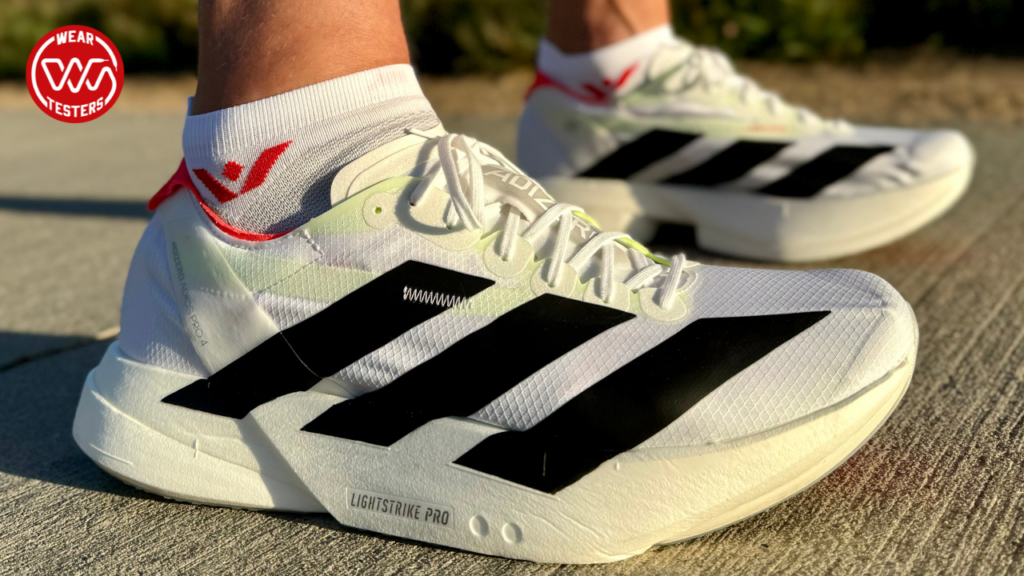
adidas Adizero Adios Pro 4
The adidas Adios Pro 4 is the most comfortable and lightest Adios Pro model to date. It won’t have enough impact protection for all runners and isn’t a good shoe for wide footers, but it ratchets up the squish and snappiness of the Adios Pro line to a new level.
Pro athletes wearing adidas shoes like the Adios Pro 3 and Evo 1 are already setting records. I suspect that will continue with the Adios Pro 4. The adidas product team created a shoe that feels fast as soon as you hold it in hand and feels even faster once it’s on foot. It delivers the majority of the Evo 1’s innovations to the table at half the price. Because of that, we’re going to see a lot of runners running very fast in the adidas Adios Pro 4. Read the full review.
Fit: Typical adidas, Drop: 6mm, Price $250
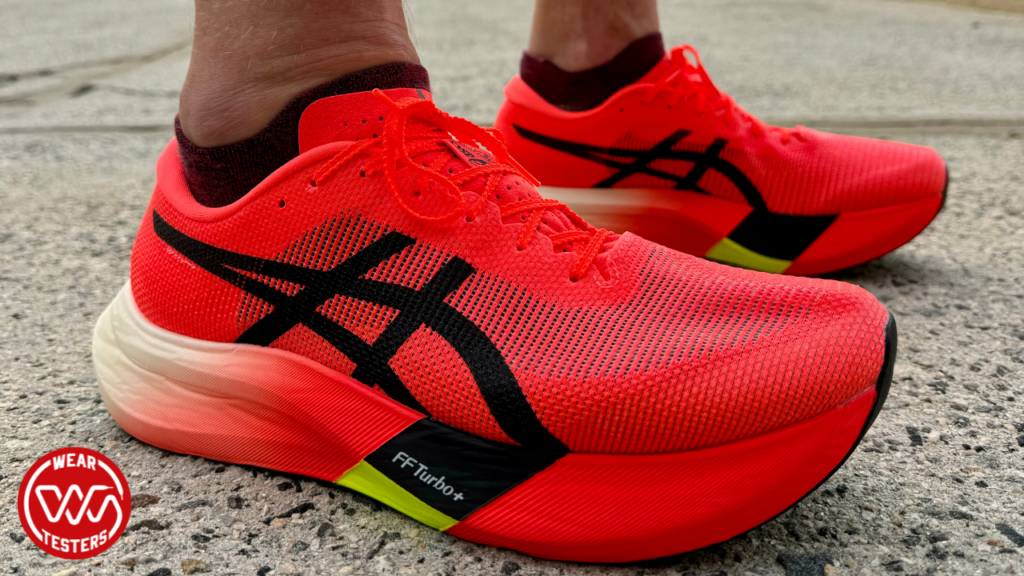
Asics Metaspeed Sky/Edge Paris
The Asics Metaspeed Sky Paris and Asics Metaspeed Edge Paris are Asics’ best road racing shoes to date offering a fantastic combination of great fit, comfort, breathability, stability, improved midsole foam, and an impressively low weight.
Which one of the two shoes you’ll prefer isn’t clear, but if you can figure that out, you’ll end up with a high performing shoe that’s trustworthy for road races of any distance. Read the review.
Fits: True to Size, Drop: 5mm, Price: $250
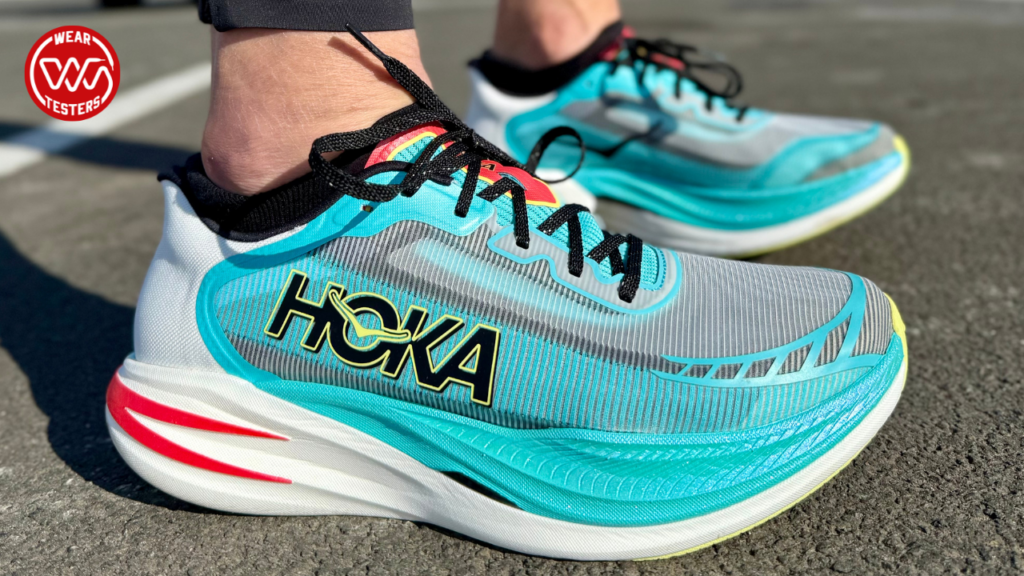
Hoka Cielo X1 2.0
The Hoka Cielo X1 2.0 is Hoka’s premier road racing super shoe with a dual-layer, PEBA midsole bisected by a snappy carbon plate. Whether racing anything from a 5K to a marathon, running a tempo or interval session, or doing any other workouts that require picking up speed, the Cielo X1 2.0 is a reliable (and fun) companion. While there are great road racing shoes priced below $275, the Cielo X1 2.0 does deliver on top-tier performance.
Our testers agreed on very clear Pros, namely its protective, incredibly bouncy midsole and efficient rocker, solid stability for a race day shoe, lightweight, breathable, and comfortable upper with excellent lockdown, and its ability to make fast running feel easier. Neither tester found the Cielo X1 2.0’s Cons to be dealbreakers, noting the outsole shows signs of wear quickly, and the upper isn’t particularly stretchy (making it extra important that the fit works for you).
The Cielo X1 2.0 is offered in unisex sizing, so be sure to pay close attention to Hoka’s size conversions if you typically wear women’s sizing. This could be an advantage if you are a small-footer who wears women’s sizing but who also needs extra room in the forefoot. Those who typically wear men’s (or women’s wide) sizing might note a snugger, slightly short racing fit. So while true-to-size will still likely work for most, trying it on will be worthwhile for those on the margins of their typical size. For more details, read the full review.
Fit: True-to-size but slightly short, Drop: 7mm, Price $275
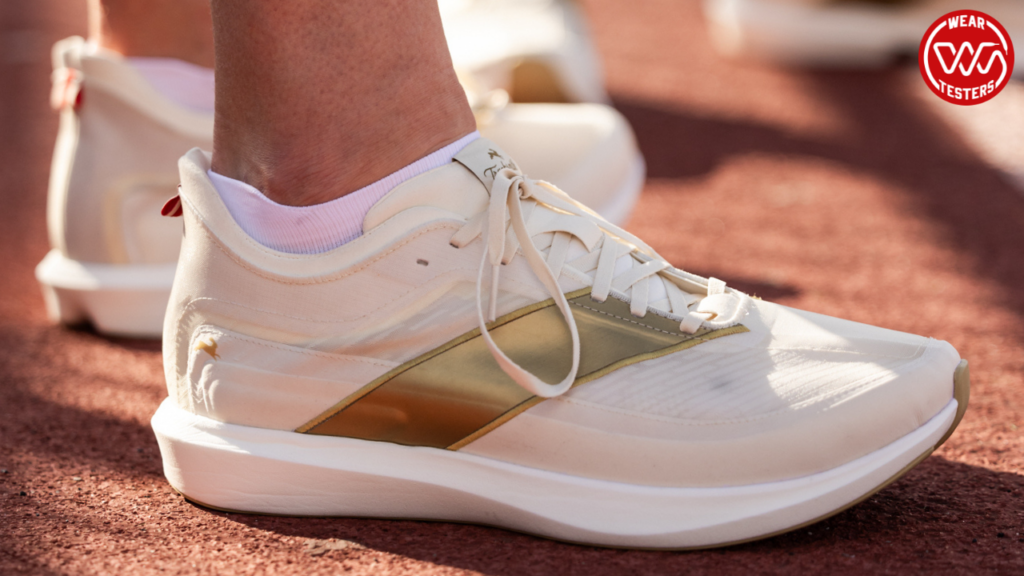
Tracksmith Eliot Racer
The Tracksmith Eliot Racer is a top-tier road racing shoe that’s different from any racing shoe you’ve used before. The drop-in midsole setup works well and is unique in road running (though drop-in midsoles are familiar to our WearTesters audience due to their occasional presence in basketball performance footwear). The carrier foam is Pebax, and the removable ATPU drop-in sits atop a scooped carbon fiber plate. The result is a bouncy, responsive, and protective race day shoe in which the lack of glue (thanks to the drop-in setup) really allows the energy return to shine for runners of all sizes. The Eliot Racer feels smoother and better the higher the effort.
The outsole has more rubber than expected, which indicates Tracksmith may be prioritizing durability. As for grip, the traction was a mixed bag that resembled most racing shoes: good but not the best in awful weather. But thanks to the drop-in midsole’s sidewalls, the broad forefoot, a tightly gusseted tongue, and the Tracksmith sash that locks down the midfoot, the Eliot Racer is on the upper end of the spectrum in terms of racing shoe stability. The upper’s mesh doesn’t retain water, and the microsuede tongue and liner add comfort. Heel lockdown might need some fine-tuning via either simple tightening of the top laces or a runner’s knot, but it is achievable. The Eliot Racer’s wider-than-usual-forefoot, straighter last, and taller toebox allow for more wiggle room and toe splay compared to many race-day options, making it possible for wide-footers to enjoy what it has to offer.
That said, the price is certainly at the higher end of the price continuum of distance race models. So if you’re price conscious, the Tracksmith Eliot Racer might not be the right road racing shoe for you. But if you can swing it and want bounce, support, understated and high-end looks, plus Tracksmith’s reputation for durability, the Eliot Racer will be worth the money. Read the full review.
Fit: True to Size, Drop: 7.5mm, Price: $280
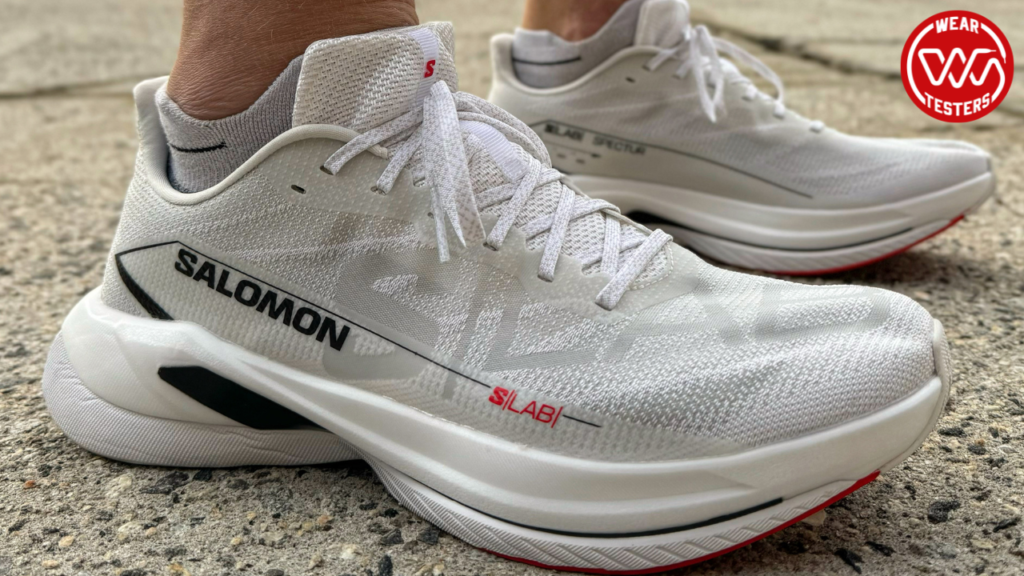
Salomon S/Lab Spectur
The Salomon S/Lab Spectur is aimed at runners with marathon times above three hours. It does that by adding extra stability and comfort for runners who will be on the course a bit longer. And it works. Salomon effectively created a marathon shoe that still offers great bounce but a better build to withstand all the issues (like form breakdown) inherent with so much time on feet. At $220, it’s a great value and delivers a better experience for the majority of marathon runners. Read the review.
Fit: True to size, Drop: 8mm, Price: $220
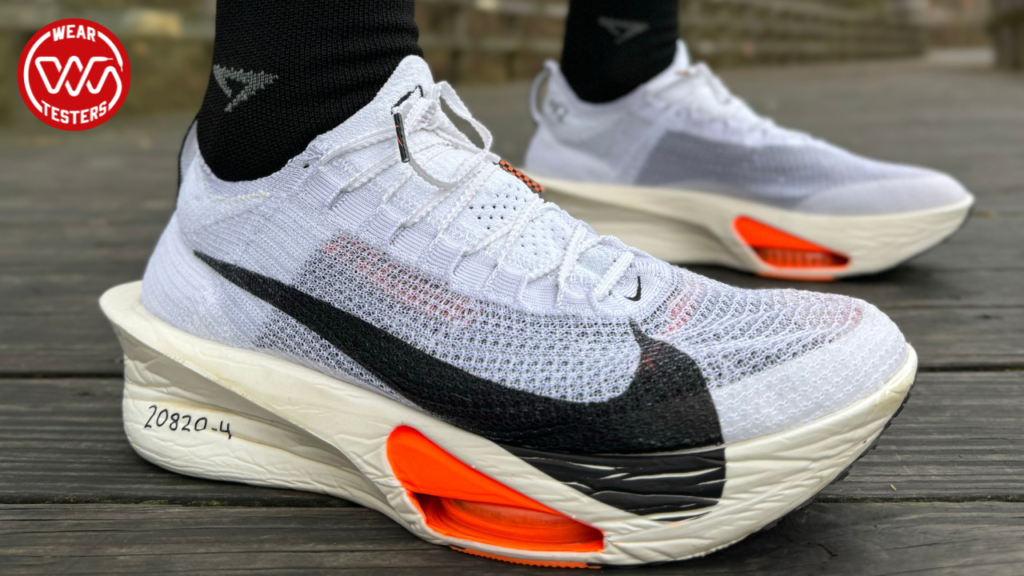
Nike Alphafly 3
The Nike Alphafly 3 is the best Alphafly to date and its super bouncy nature makes it easy to maintain marathon pace. It’s more accommodating and comfortable than previous models and includes a less pronounced arch (but it’s still ever-present). It’s still not a very stable shoe around corners and a lot of the heel material is cut away so hard heel strikers will have better options. The price is high, but if you miss the original Alphafly magic, you’ll get most of it back by wearing the Alphafly 3. Read the full review.
Fit: True to size, Drop: 8mm, Price: $285
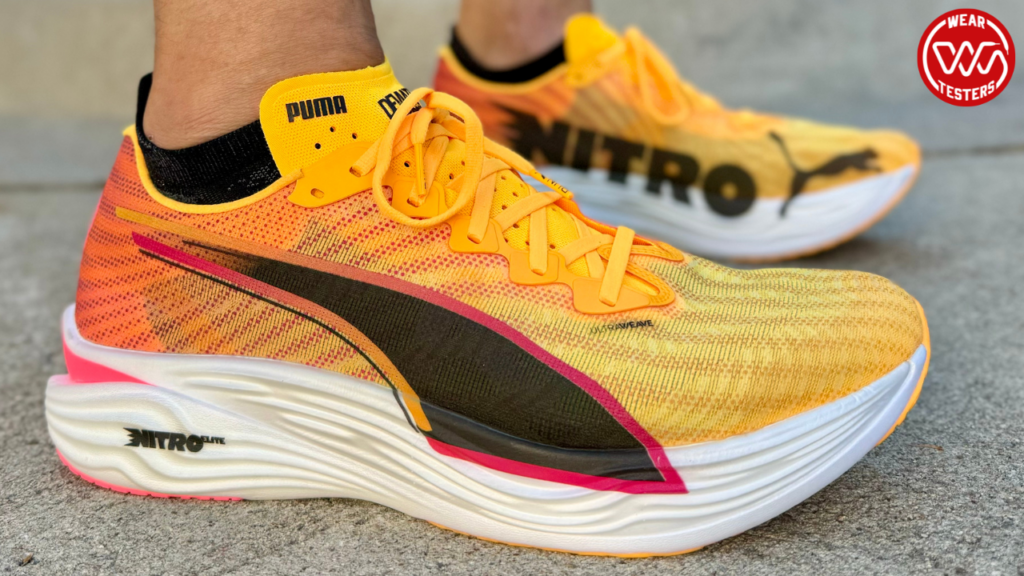
Puma Deviate Nitro Elite 3
The Puma Deviate Nitro Elite 3 is huge step forward for Puma’s racing line. It’s $20 less than most race days shoes that sit at $250 but performs just as well. It’s much lighter than the previous version dropping over 2 ounces, the bounce is upgraded, and Pumagrip, as always, is reliable in all conditions. The Ultraweave upper is breathable but very strong and helps keep the foot on the footbed while ripping around corners. And while it’s not the most stable marathon shoe, it’s now a great option for race day due to the weight savings and increased pop from the Nitro Elite and PWRPLATE combo.
If you want a soft, bouncy, fun, and dependable long distance racing shoe that’s not in the $250+ price bracket you won’t be able to do better than the Deviate Nitro Elite 3.
Fit: True to Size, Drop: 8mm, Price: $230
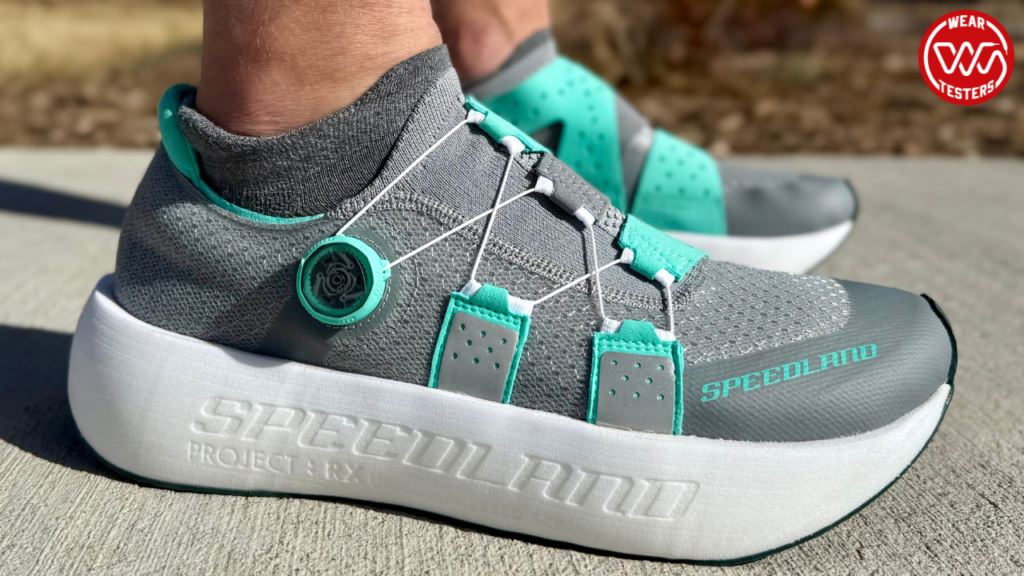
Speedland RX:FPY
The Speedland RX:FPY is a versatile, ultra-long-distance trainer and racer that will appeal to those running absurd road mileage on a regular basis. While the Cons include a high price and not-quite-ideal heel lockdown due to the single BOA dial setup, there is a lot to love about the RX:FPY.
Pros include its true training/racing versatility (which aids in earning the price point), removable carbon plate, durable and grippy outsole, plush ride, and comfortable upper. It runs a bit long and has a generally accommodating fit, so most will want to go a half size down in the RX:FPY. Narrow-footers will still be able to lock in a solid midfoot hold due to the effective PerformFit Wrap. Many wide-footers may also be comfortable in a half size down, but could go with their standard running shoe size for an even safer bet.
If you’re running long distances several times a week or regularly doing long road races above the marathon distance, the Speedland RX:FPY is a purpose-built shoe that’s extremely adept at handling both use cases equally. For more details, read the full review.
Fit: Go a half size down, Drop: 7mm, Price: $299
Now on Sale – Best Long Distance Running Shoes for Everyday Use:
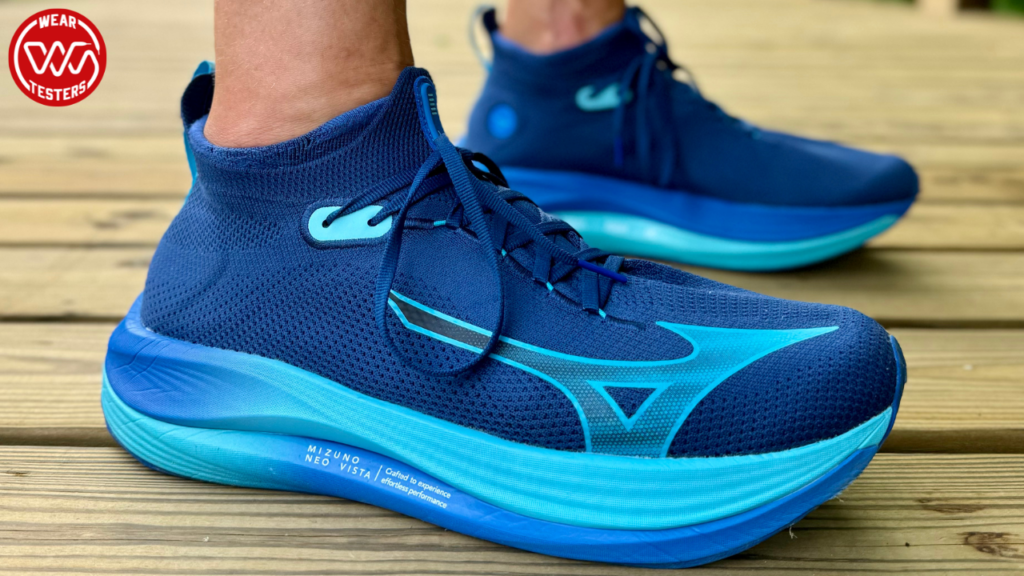
Mizuno Neo Vista
Perhaps one of the best under the radar shoes on the market, the Mizuno Neo Vista, sports a radical geometry (called Smooth Speed Assist) that pay dividends on long runs. The geometry makes you feel like you’re falling forward with every step and keeps your stride smooth as the miles drag on. The Mizuno Enerzy NXT foam and plant-based Wave Plate also provide good bounce. And though we were initially skeptical of the knit upper, it adapts well to most if not all foot shapes and can be considered wide foot friendly. The collar may hit too high on the ankle for some but it’s nothing a pair of crew socks can’t solve. The $180 price point feels high at first glance but you get everything you pay for with this ultra smooth, versatile, and fun shoe.
Fits: True to Size, Drop: 8mm, Price: $180
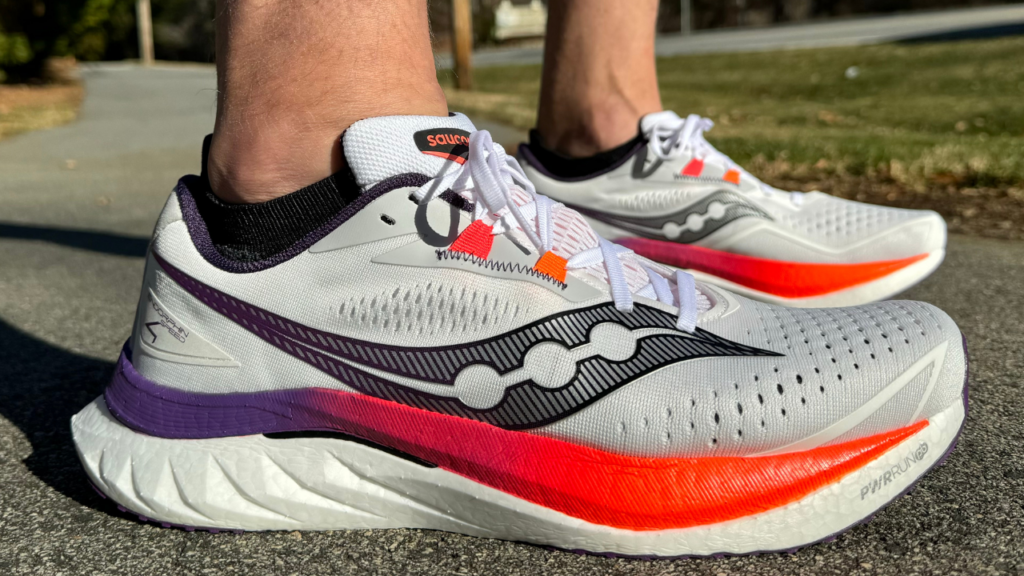
Saucony Endorphin Speed 4
The Saucony Endorphin Speed 4 continues to be the best shoe in Saucony’s line despite a full aesthetic overhaul. There’s something about the way the TPU plate, Saucony’s Speedroll rocker, and the PWRRUN PB work together. It’s magic on speed days and really earns the Speed name. Despite a more narrow toebox, the Endorphin Speed 4 is one of the most versatile shoes on the market. And, if you don’t like carbon-plated shoes, the Speed 4 is a great option for race day. Read the full review.
Fit: True to size, Drop: 8mm, Price $170
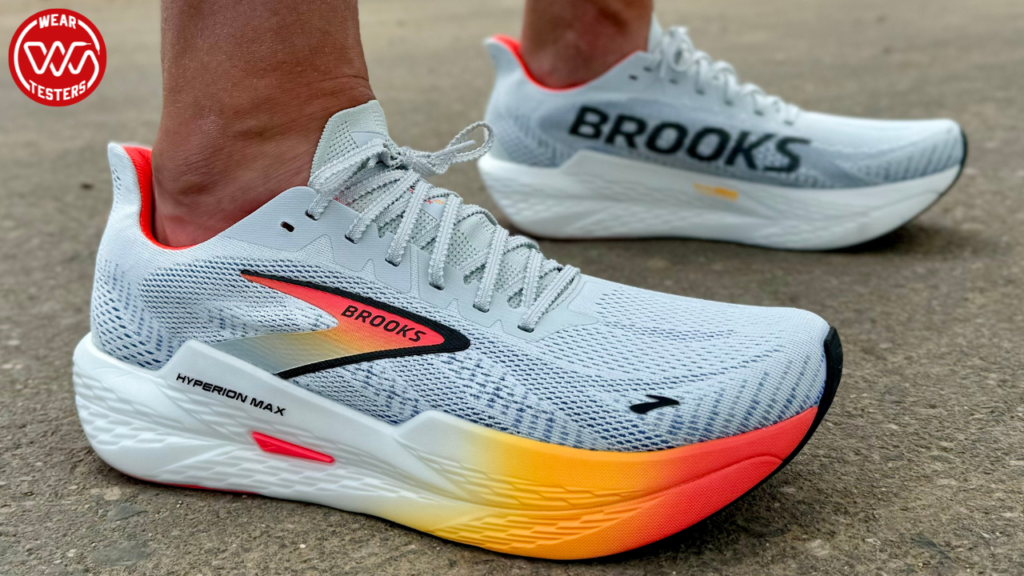
Brooks Hyperion Max 2
The Brooks Hyperion Max 2 is a nimble shoe with a well-cushioned ride that transitions quickly without any mush or squish. It’s built well for long distances sporting an excellent comfortable upper (and a fantastic elasticized tongue) with a prominent rocker. It’s friendly to a lot of different foot strike patterns but it’s stiff, rockered forefoot may be off putting to some people and the aggressively cutaway heel won’t work for all heel strikers.
The Hyperion Max 2 is built for runner training long distances but that want to still feel like they have some connection with the ground despite the high stack height. Read the full review.
Fit: True to Size, Drop: 6mm, Price: $180
Now on Sale – Best Long Distance Running Shoes for Race Day
None currently but we’re always checking prices and moving shoes to this section when applicable.
Best Long Distance Running Shoes – Coming Soon
If we test any great upcoming long distance running shoes that may make the list, we’ll put them here.
Got any suggestions for shoes we should add to our best long distance running shoes list? Comment below or message us on Twitter or Instagram with your suggestions.