We all already know how hard it is the find the right running shoe. There are so many things to consider. Do we like the materials? Is the cushion soft enough? Will the traction grip the surface I usually run on? The decision becomes exponentially more complicated when you have wide feet. More often than not, people with wide feet hesitate to order online because the fit may not be suitable. To save you stress, we have compiled the Best Running Shoes for Wide Feet.
Why make the Best Running Shoes for Wide Feet list? Because the running shoe market has a lot of different categories. There are neutral running shoes, speed day or tempo running shoes, stability running shoes, race day running shoes, trail running shoes, etc. This list cuts through the marketing and clutter to identify the shoes that provide wide footers with the best options.
The best running shoes for wide feet have to be accommodating. The uppers have to be more forgiving, and the last has to be wider, even just by a little bit, to help a wide foot enter and exit with ease. For our wide foot crowd, our Best Running Shoes Overall list should be used in conjunction with this best running shoes for wide feet list to figure out the right shoe for you.
If you wish to see all of our detailed running shoe reviews, you can check out our Running Shoe reviews page.
Categories are used below so you can easily find what you want. If you know what you need, you can simply click the category. If not, feel free to browse the whole list.
We would also like to hear your thoughts on this list, and you can even share your own list in the comments below.
Let’s get into our picks:
Best Running Shoes for Wide Feet
adidas Evo SL
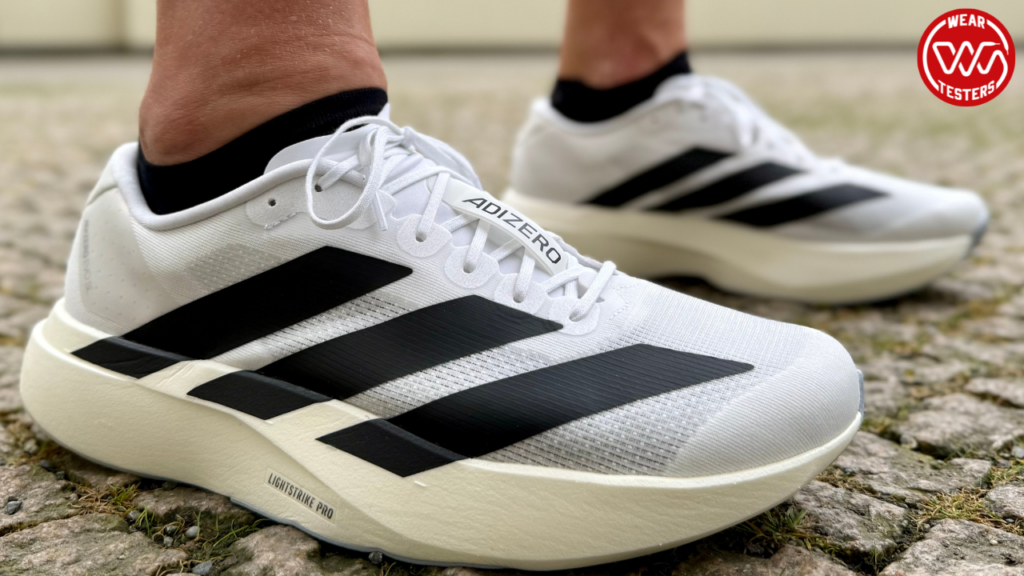
Between its high-but-not-max stack height and its unbelievably reasonable $150 price tag, adidas is set to rewrite the super trainer playbook with the Evo SL. Rather than proving its performance chops via a jacked up midsole and a jacked up price to match, the Evo SL takes the best from models like the Adios Pro Evo 1 and the Adios Pro 3 to make one of the most exciting, versatile, and value-packed trainers to date.
The Evo SL features a high-performing and durable Continental Rubber outsole, a simple, but very effective engineered mesh upper (whose only flaw was a slippy tongue), a small midfoot shank, and a lively, full-length Lightstrike Pro midsole. Much of the setup mirrors that of the Adios Pro 3 (minus that shoe’s carbon rods). But the Evo SL adopts its rocker geometry from the exceptional Pro Evo 1, placing the rocker point farther back. The result is a shoe that’s bouncy yet stable, great at daily running, and also makes going fast feel easy. Despite its lack of a stiffening element like a plate or rods, the Evo SL has an elite toe-off that competes with shoes well above its price point, making it a perfectly viable (and affordable) option for those looking to go carbonless on race day.
We’d recommend going with your typical adidas size with regard to length (often a half size down from your size in other brands), and the forefoot room makes the Evo SL one of the more wide foot friendly adidas models. However, those who need more space at the rearfoot may need to try it on, as the Evo SL narrows at the heel. See the full review.
Fits: Typical adidas, Drop: 6.5mm, Price: $150
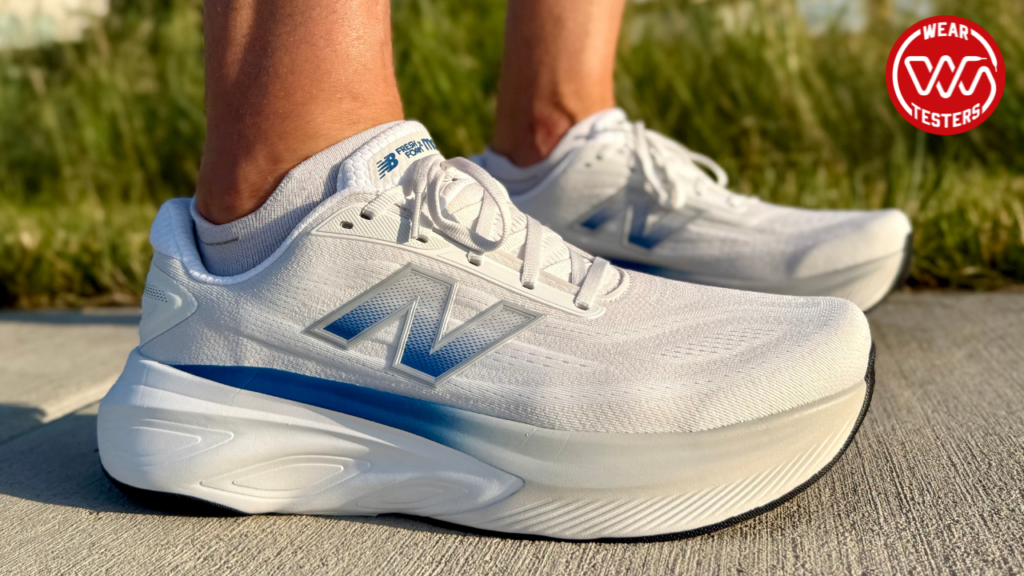
New Balance Fresh Foam X More v6
New Balance once again brings its singular approach to the max-cushion category with the plushly stacked, ultra-protective, yet surprisingly stable Fresh Foam X More v6. Made to soak up miles, it’s an approachable update with a slightly less squishy and more consistently smooth and controlled ride.
The Pros are clear: Fresh Foam X remains one of the top-performing midsole foams in the category; it’s good for new runners and longtime athletes looking for a comfortable ride; and the overall package is the gold standard for max-cushion daily trainers. The Cons are unsurprising in that this isn’t a shoe meant for anything other than easy cruising, and the New Balance aesthetic may not be for everyone. But in a market full of super foams and max-cushion behemoths, New Balance reminds everyone why it’s king of the high-stack shoes with the phenomenal Fresh Foam X More v6. It’s a great shoe for new runners needing a training partner that can help them develop both physical and mental fortitude. And veteran runners will appreciate the More v6 for its comfort and cruisy nature on those easy and long-run days when discipline needs to overcome a lack of motivation. It’s also a rare max-stack shoe in that it’s stable enough to further function as a walking shoe.
All in all, the $155 price may well be a bit of a steal, and the true-to-size, standard fit is even wide-foot friendly. There are also additional Wide and X-Wide options in both men’s and women’s sizing. For more details on the New Balance Fresh Foam X More v6, read the full review.
Fit: True to Size, Drop: 4mm, Price: $155
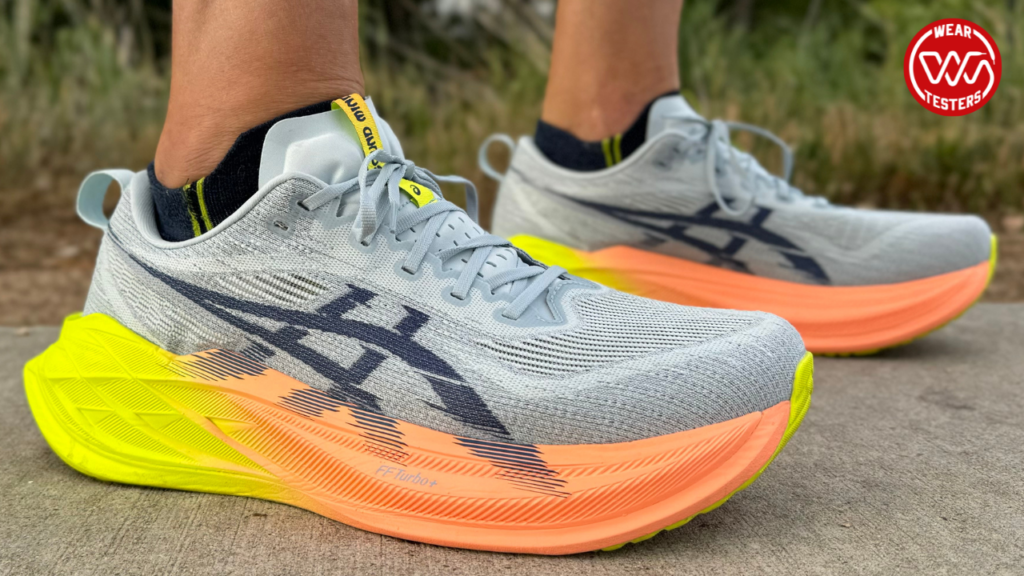
Asics Superblast 2
The Asics Superblast 2 is an all around improvement from last year’s cult classic. It’s versatile enough to handle anything a runner needs to do including easy runs, tempo runs, speed work, and race days. It’s wide foot friendly with an accommodating engineered woven mesh upper that molds to your feet. The traction, stability, durability, and breathability are all top notch. And the great upper sits on top of a soft yet bouncy FF Turbo+/FF Blast Plus Eco midsole that delivers a fantastic ride. The Superblast 2 doesn’t have any glaring negatives (a rare occurrence in the shoe reviewing business). It’s one of the best shoes on the market. See the full review.
Fit: True to Size, Drop: 8mm, Price: $200
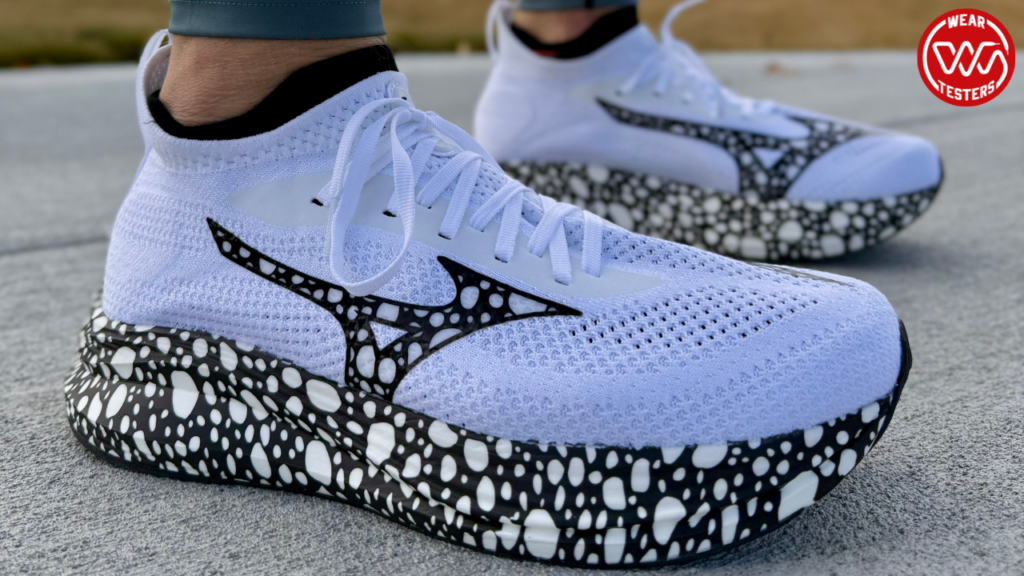
Mizuno Neo Zen
The Mizuno Neo Zen keeps the exquisite, Smooth Speed Assist rocker geometry and the nitrogen-infused, ENERZY NXT midsole of last year’s well-liked Neo Vista. But the Neo Zen ditches the plate and brings down both the price and the stack to more accessible levels ($150 and a “mere” 40mm in the heel and 34 mm in the forefoot). The X10 rubber outsole bears the same, effective outsole pattern and should provide durability in-line with typical daily running shoes.
The breathable, fully knit upper has a bit more volume in the forefoot than may be necessary, and the lacing in that area isn’t the most effective. However, lockdown is achievable via the rest of the lacing; it may just take a few runs to dial it in completely. But the overall fit nicely accommodates a variety of foot shapes, including our wide-footed friends.
The Mizuno Neo Zen has an incredibly lively and smooth ride that offers an impressive amount of versatility for anything from recovery runs, to track work, to tempo runs, to long runs. The $150 price point and high performance echoes the adidas Evo SL, and we feel the Mizuno Neo Zen likewise provides plenty of value with a fun, bouncy feel. See the full review.
Fits: True to Size, Drop: 6mm, Price: $150
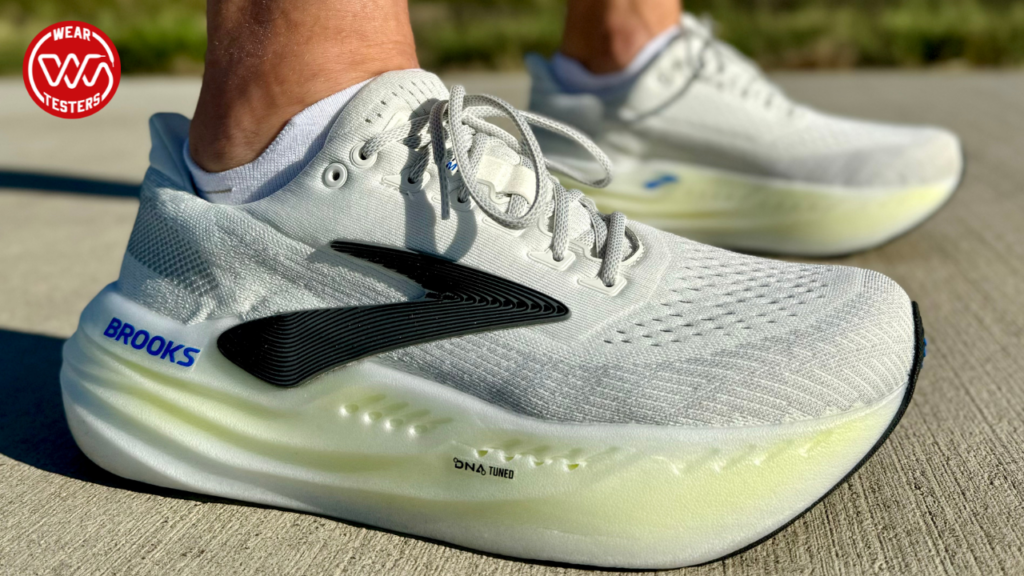
Brooks Glycerin Max
The Brooks Glycerin Max is the company’s first entry into the truly max-cushioned, super trainer category, and it’s one heck of a debut. The nitrogen-infused, brand-new DNA Tuned midsole setup, with its softer central portion of cushioning surrounded by a denser outer cage, makes for plenty of comfort directly under the foot without sacrificing stability around corners. Brooks also uses dual-cell technology, which means there are larger cells of foam in the heel and smaller cells in the forefoot. That tech combines with the GlideRoll Rocker geometry to create ultra forgiving heel landings that quickly transition into satisfyingly bouncy toe-offs.
Grip and durability were impressive, though the outsole does have a tendency to pick up tiny, pebbly interlopers. And while the upper performs solidly and is wide-foot friendly, it doesn’t quite live up to Brooks’ own lofty standards. Overall, we thoroughly enjoyed the Glycerin Max for anything from recovery runs, to long runs, to long tempo sessions, making it an extremely worthy choice at the $200 price point. Read the full review.
Fit: True to Size, Drop: 6mm, Price $200
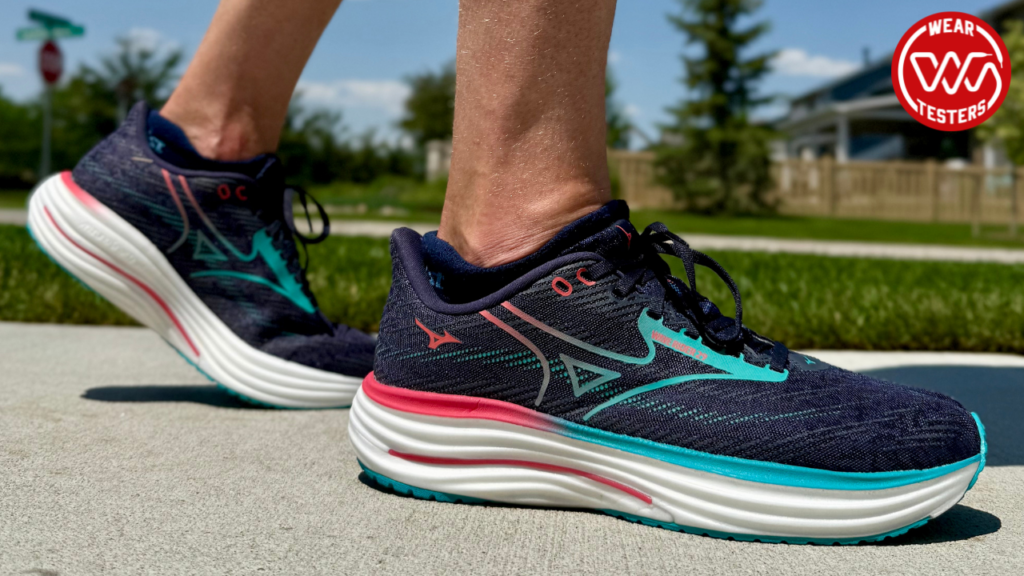
Mizuno Wave Rider 29
The Mizuno Wave Rider 29 and its supercritical midsole deliver the best all-around Wave Rider in an already illustrious history, continuing Mizuno’s recent hot streak.
Its Cons are found in its sort of generic aesthetic and the fact that it may not be able to take everyone through long-distance or speedy miles. But the Wave Rider 29 is a viable option for a large cross section of runners and non-runners alike, and its Pros are indeed closely connected to how widely approachable this shoe is. Thanks to a TPU WAVE plate and a nitrogen-infused, entirely EVA version of ENERZY NXT midsole foam, its balanced and supportive ride (short of full-on stability) offers a different type of versatility. The midsole foam is great for new runners and for those who simply want a moderate amount of cushioning with some impact protection and without the trending marshmallowy underfoot feel of many modern running shoes. The Wave Rider 29 also doubles as a great walking or working shoe—just firm enough to keep the feet grounded and just soft enough to keep your body feeling good throughout a long day on your feet. Add to all that an accommodating, true-to-size standard fit as well as wide versions in both men’s and women’s sizing, and the Wave Rider 29 further becomes a great choice for those with wide and/or flat feet who need a thoughtful platform underfoot.
The Wave Rider 29 is a reasonably priced, durable daily trainer with a firm-ish yet protective midsole that’s best used for soaking up miles on easy or recovery runs. For more details, read the full review.
Fit: True to Size, Drop: 10mm, Price: $150
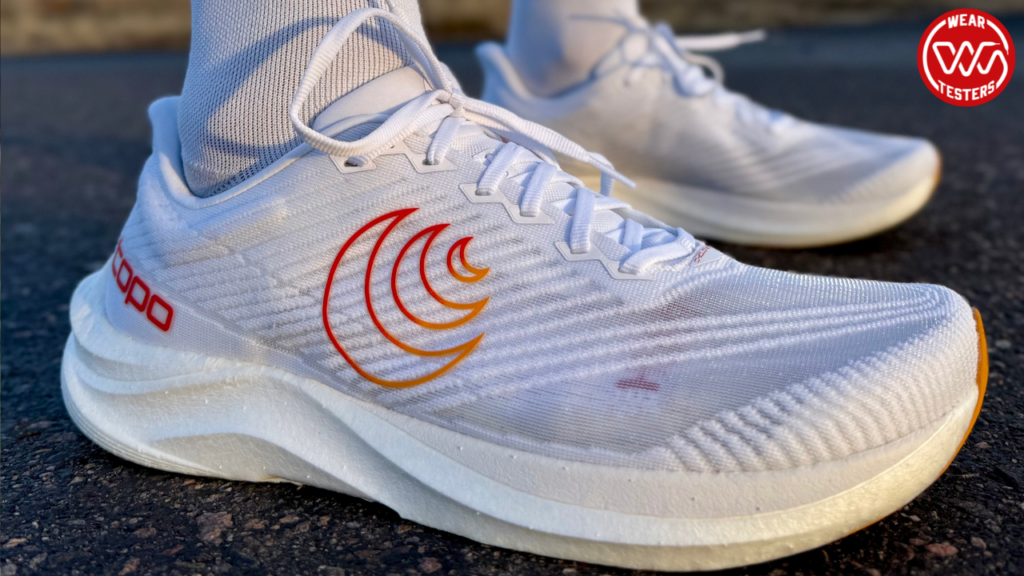
Topo Cyclone 3
The Topo Cyclone 3 is positioned to compete with shoes like the New Balance Rebel ($140) and Brooks Hyperion($140). With its Pebax Powered midsole and exceptionally lightweight build, it has a super quick feel with bouncy, responsive cushioning – albeit, in modest quantities (28mm in the heel and 23mm in the forefoot, to be exact). It’s primed for fast workouts on the track and uptempo runs.
The amount of range one can get out of the Topo Cyclone 3 is going to depend on the runner. While our bigger, taller tester found it best to stick to shorter/faster stuff that didn’t much exceed 6-8 miles due to the amount of cushioning available, our smaller tester was able to comfortably take the Cyclone 3 out for efforts topping the 90-minute mark. Our testers also had mixed experiences when it came to the traction: one found the Cyclone 3 was best kept to dry surfaces while the other had solid grip in rainy conditions. They agreed, however, that treading through snow and ice is best left to other shoes.
Universally praised was Topo’s phenomenally-executed fit, which allows plenty of room in the forefoot without sacrificing an ounce of lockdown. Despite being a rather flexible shoe, there is also enough support to feel secure while taking corners at top-speed. It’s a fantastically minimal but comfortable shoe that wastes nothing and has nothing extra.
While $150 is in the general ballpark for a shoe like this, it’d be much easier to sing the praises of its value proposition if priced closer to $140. But if you’re willing to chance whether the wet traction works for you, and the anatomical fit is the thing you’ve been missing most in other speedy trainers, it could very well be worth the few extra dollars. Read the full performance review.
Fits: True to size, Drop: 5mm, Price: $150
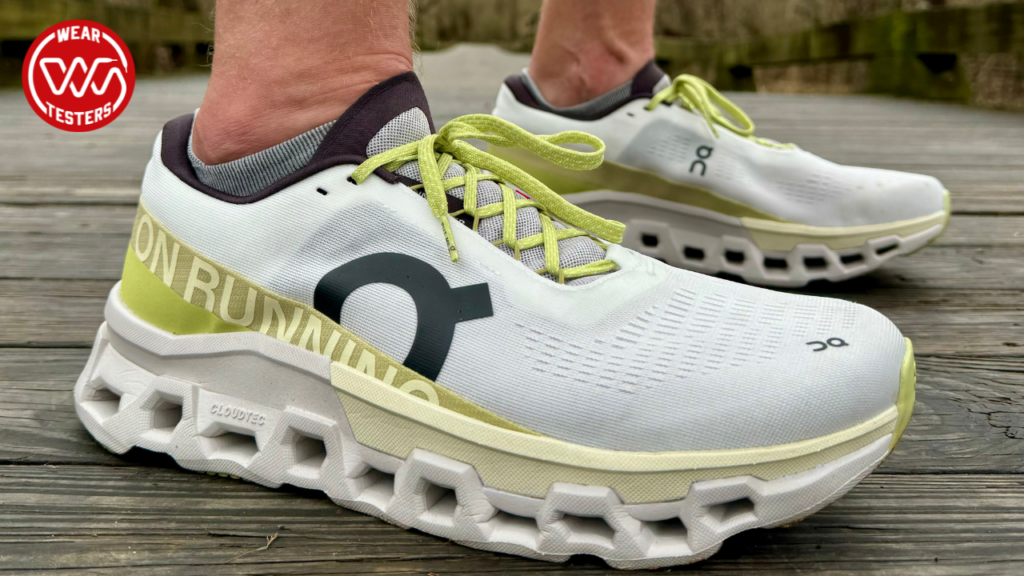
On Cloudmonster 2
The On Cloudmonster 2 is a max cushioned shoe that’s firmer than On’s other max cushion shoe, the squishier Cloudeclipse. That slight tweak in squishiness makes the Cloudmonster 2 more stable and creates a smooth ride. It also makes it perfect for standing all day or doing lots of walking.
The upper is comfortable and accommodating with great aesthetics and high quality craftsmanship. The outsole grips in all conditions but the outsole can pick up good-sized rocks. There’s also a premium to be paid for the On brand. Whether that’s worth it for this very good shoe is up to you. Read the full review.
Fit: True to Size, Drop: 6mm, Price: $180
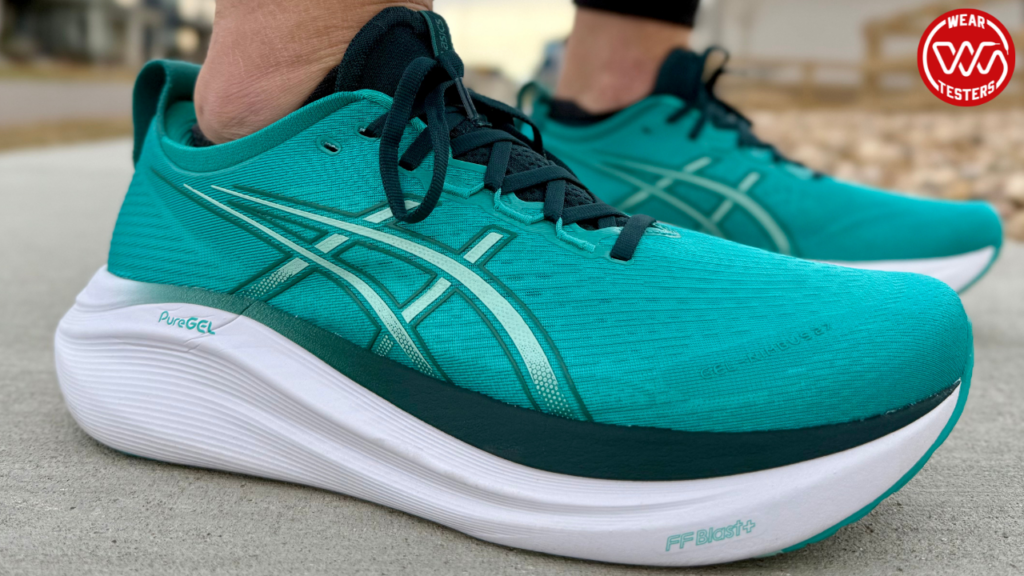
Asics Gel Nimbus 27
The Asics Gel-Nimbus 27 is a luxurious option for recovery and daily runs that will easily absorb hundreds of road and treadmill miles. Asics has kept the well-loved knit tongue from previous versions, and the upper sees an improvement in ventilation with the switch from knit to jacquard mesh. The HYBRID ASICSGRIP outsole still performs well and has an updated pattern that seems to offer increased durability over that of the Nimbus 26. And an additional 2mm of FF BLAST PLUS ECO makes longer days feel even more comfortable in the Nimbus 27.
It’s not a shoe that’s capable of picking up the pace, but the ride is stable and characterized by all-around plushness. It will be available in a large array of widths in both men’s and women’s sizing, so there should be a good fit available for just about everybody. While we see the Nimbus 27 as a step forward for the Nimbus line and believe it justifies its $165 price point, we still think the best option for most consumers will be to scoop up the Nimbus 26 on sale and transition to the Nimbus 27 after its predecessor is no longer. See the full review.
Fit: True to Size, Drop: 8mm, Price: $165
Best Marathon Running Shoes for Wide Feet
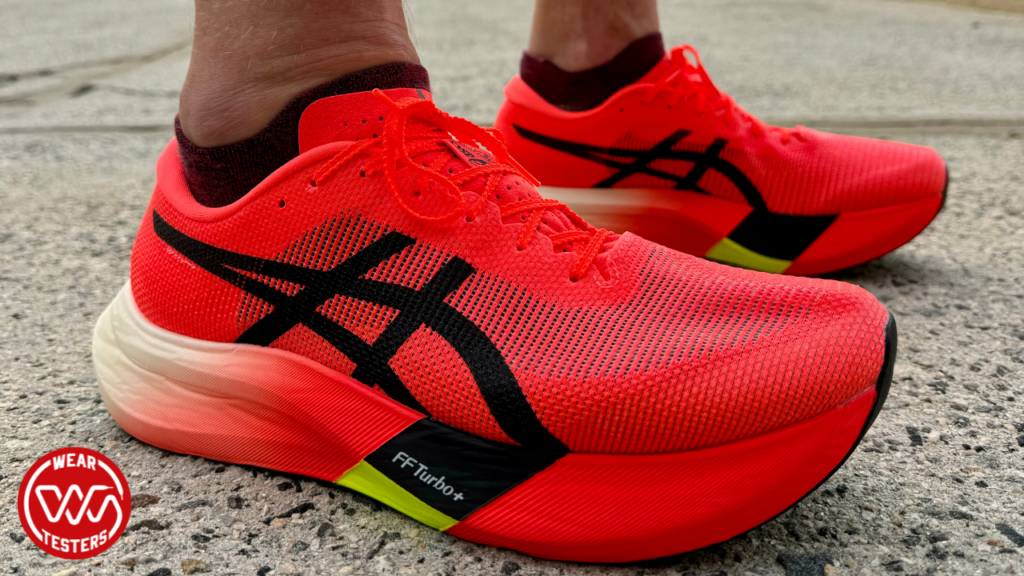
Asics Metaspeed Sky/Edge Paris
The Asics Metaspeed Sky Paris and Asics Metaspeed Edge Paris are Asics’ best road racing shoes to date offering a fantastic combination of great fit, comfort, breathability, stability, improved midsole foam, and an impressively low weight.
Which one of the two shoes you’ll prefer isn’t clear, but if you can figure that out, you’ll end up with a high performing shoe that’s trustworthy for road races of any distance. Read the review.
Fits: True to Size, Drop: 5mm, Price: $250
Best Trail Running Shoes for Wide Feet
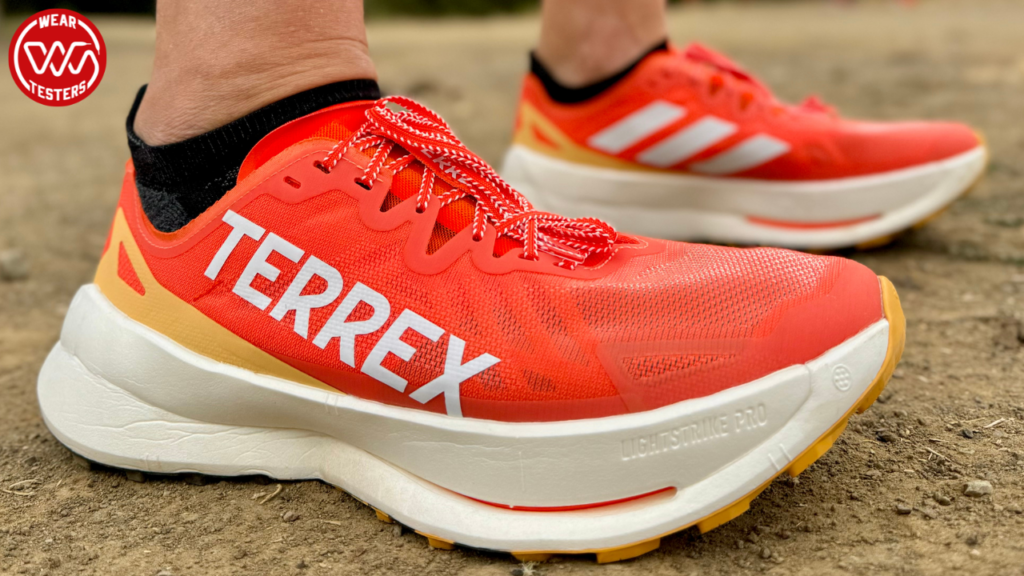
adidas Terrex Agravic Speed Ultra
The adidas Terrex Agravic Speed Ultra is the brand’s first true super shoe for the trails. Just like a road race-focused super shoe, it feels weirdly unstable and squishy walking around, and the forefoot seems thicker than the heel. The upper is also a bit loosey goosey. Your first thought will be that the shoe is synonymous with a trail death wish.
But once you start running, especially ascending or descending, the Terrex Agravic Speed Ultra starts working hard for you. Forefoot and midfoot landings harness the bounce of the Lightstrike Pro and plate combo into meaningful forward or upward movement. And that continues over multiple miles without feeling flat or less lively. The feel stays consistent for the long haul. The upper is way too wide and needs to be cinched up tight to work correctly; but if you can get it tight enough, it’ll keep your foot from exiting the safety of the footbed.
The outsole is solid-ish, but slippage on dry grasses or loose gravel happened too often. Keep this shoe on well-groomed, less wild trails. That’s where it’ll perform its best.
Right now there’s only one other shoe that can match the bounce and energy return of the Terrex Agravic Speed Ultra (the Speedland GS:PGH). If you’re aiming for high-end trail performance in long distance races, this offering from adidas needs to be on your radar.
Fits: Typical adidas, Drop: 8mm, Price: $220
Best Running Shoes for Wide Feet Now on Sale
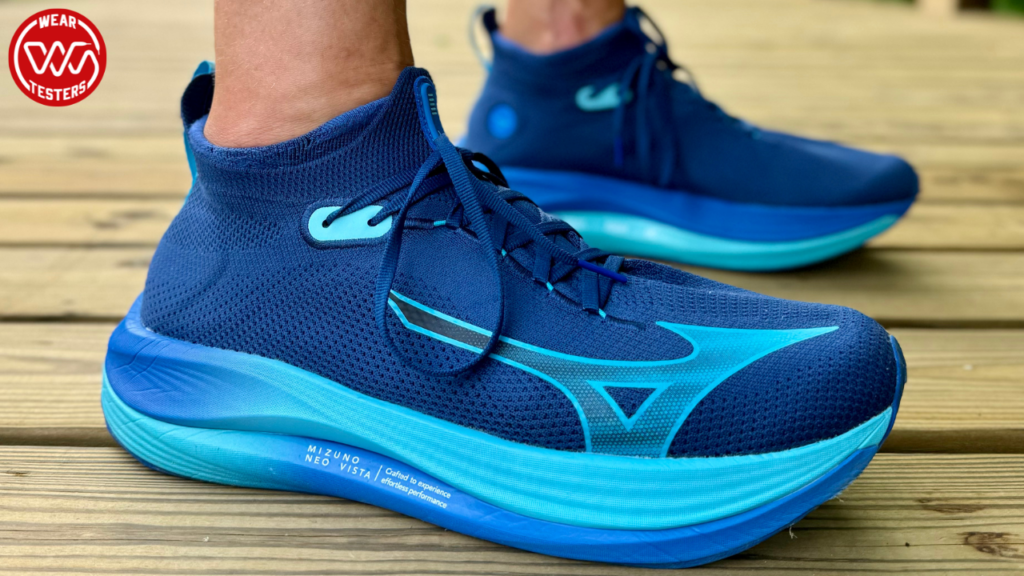
Mizuno Neo Vista
Perhaps one of the best under the radar shoes on the market, the Mizuno Neo Vista, sports a radical geometry (called Smooth Speed Assist) that pay dividends on long runs. The geometry makes you feel like you’re falling forward with every step and keeps your stride smooth as the miles drag on. The Mizuno Enerzy NXT foam and plant-based Wave Plate also provide good bounce. And though we were initially skeptical of the knit upper, it adapts well to most if not all foot shapes and can be considered wide foot friendly. The collar may hit too high on the ankle for some but it’s nothing a pair of crew socks can’t solve. The $180 price point feels high at first glance but you get everything you pay for with this ultra smooth, versatile, and fun shoe.
Fits: True to Size, Drop: 8mm, Price: $180
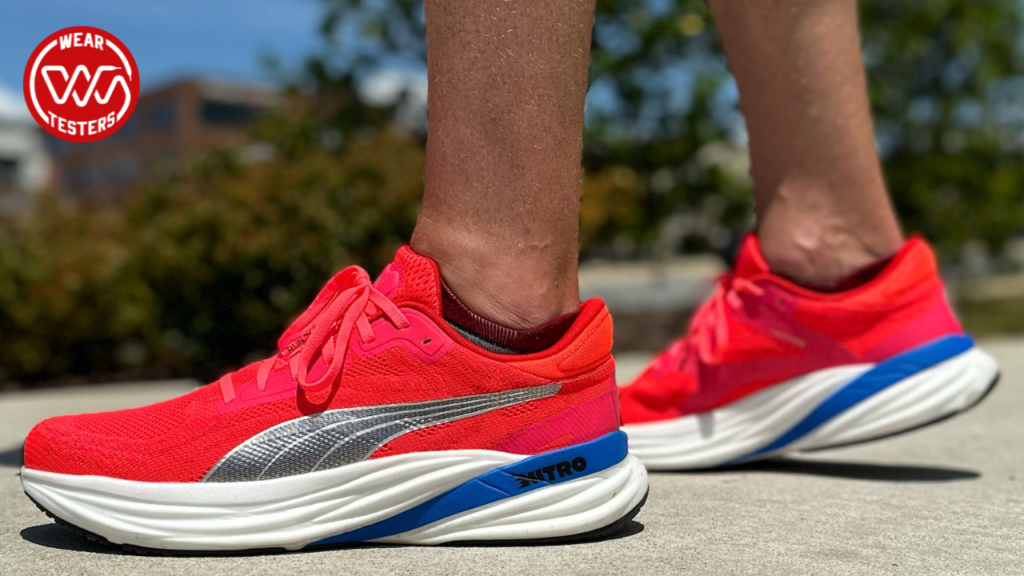
Puma Magnify Nitro 2
The Puma Magnify Nitro 2 is one of our favorite daily runners. At $140, it’s priced right for a high-end cushioned running shoe and has the most cushion of any Puma shoe. The super comfortable knit upper provides an accommodating fit and molds to your foot over time. You also get lots of Puma Grip on the bottom that will provide top-tier traction. Your knees and feet will thank you for putting these shoes on for a run. Read the full review.
Fit: True to size, Drop: 10mm, Price $140
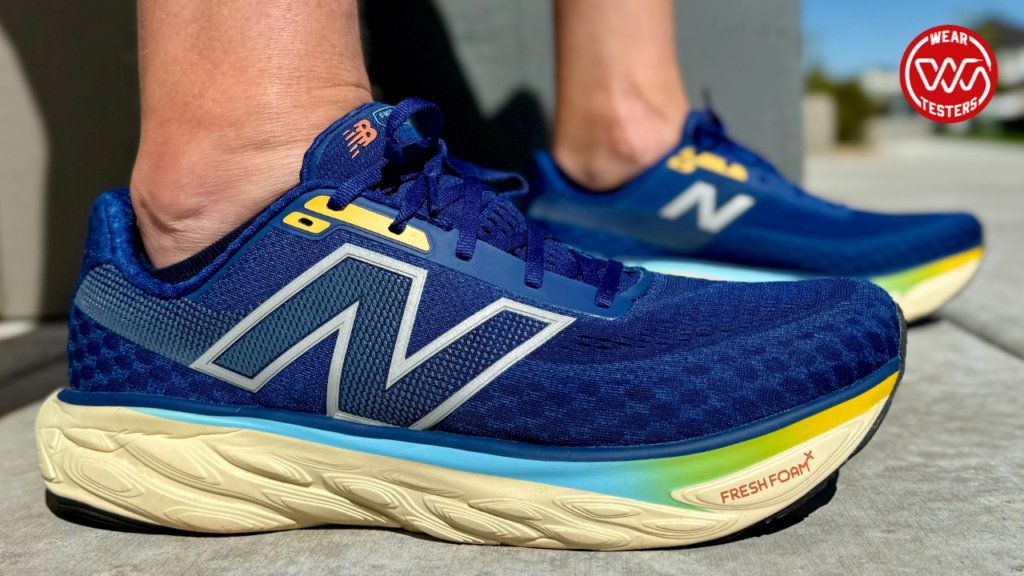
New Balance 1080v14
The New Balance 1080v14 slightly tweaked the 1080 formula established with the 1080v13 resulting in a more durable but slightly less squishy experience. It’s a slight upgrade from the 1080v13 and continues the big (positive) change made to the 1080 line last year. It’s a solid daily trainer that provides plenty of comfort without letting you get lost in the mush. And it’s wide footer friendly because it comes in Wide and Extra Wide versions. Read the full review.
Fit: True to Size, Drop: 6mm, Price: $165
Best Running Shoes for Wide Feet Coming Soon
None right now
Thinking of a shoe we should add to the best running shoes for wide feet list? Comment below or message us on Instagram or Twitter.