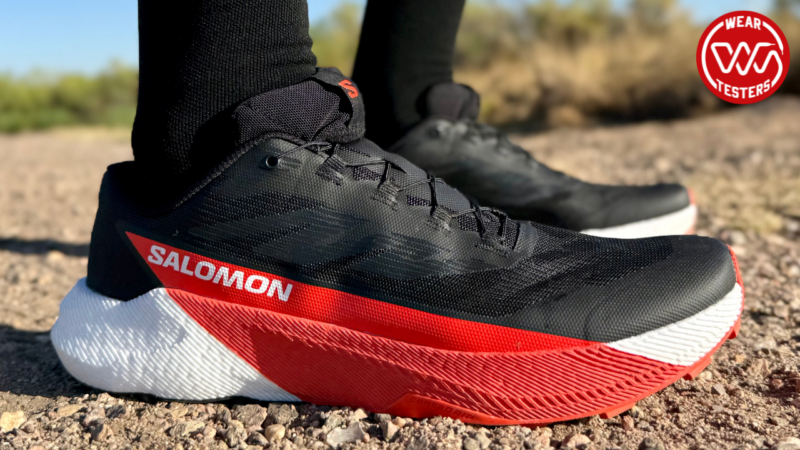
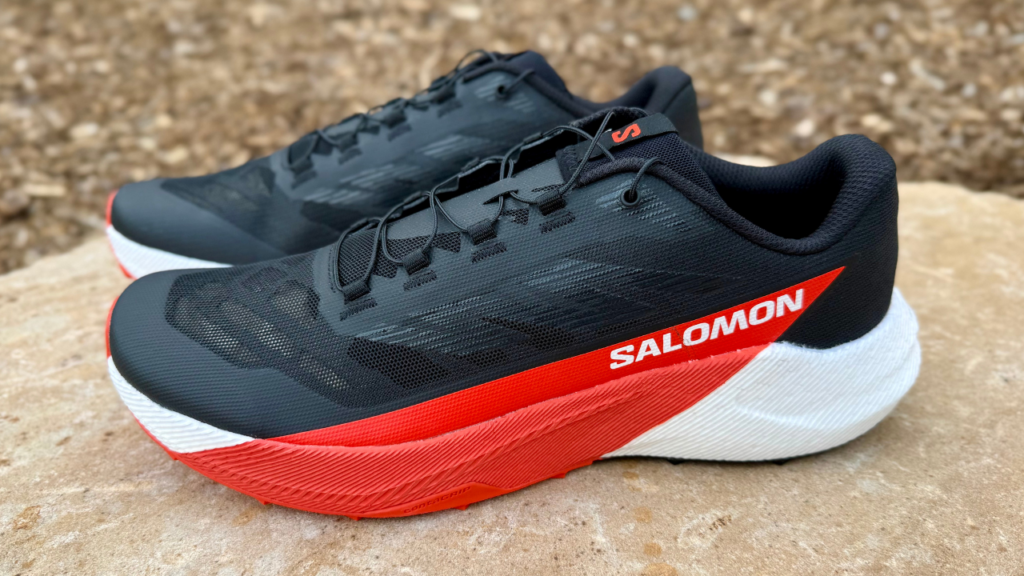
The Salomon Pulsar is an affordable trail running and hiking option in a segment that’s getting increasingly expensive. When Salomon offered, we jumped at the opportunity to see what the brand was offering at this competitive price point.
Salomon Pulsar
Release Date: September 1, 2025
Price: $140
Men’s Weight: 10.2 oz. / 290 g
Women’s Weight: 9.3 oz. / 265 g
Drop: 6mm (29mm heel, 23mm forefoot)
Sizing: True-to-size
- Rundown: The Salomon Pulsar is built for outdoor adventurers who want to run technical trails with a firmer, lower to the ground trail running shoe.
Pros
- Nimble
- Dependable Contagrip outsole
- Comfortable sensiFIT upper that’s minimal and breathable
Cons
- Minimal, firm cushion
- Narrow fit
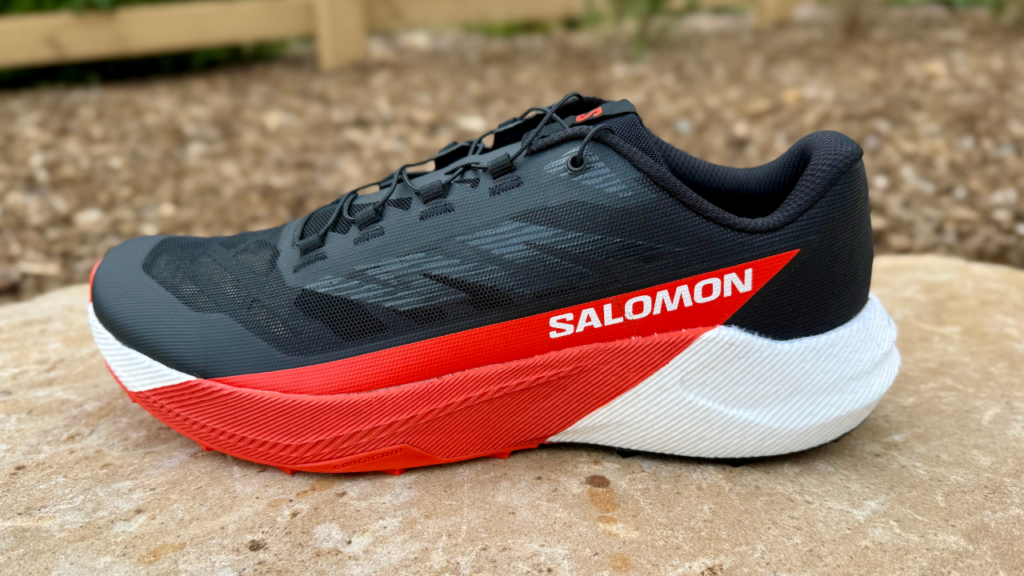
What is the Salomon Pulsar?
According to Salomon, the Pulsar is “built for trail runners pushing the pace and or road runners new to trail.”
That’s a target demographic that makes sense at the $140 price point and with a slimmed down silhouette like we see here. Let’s see if the Salomon Pulsar can perform well enough for those two groups.
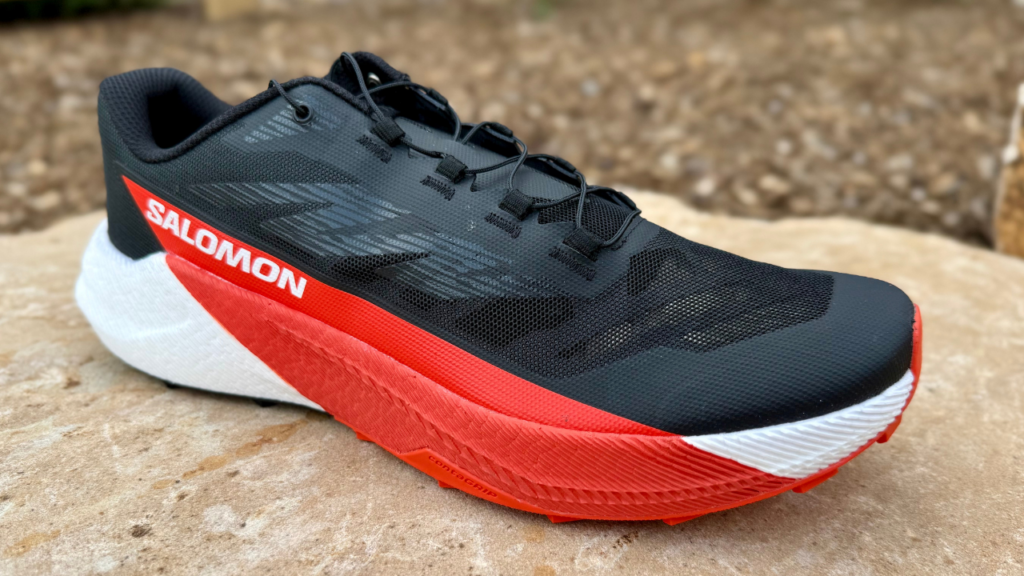
Cushion
Drew: The optiFOAM² used for the Salmon Pulsar’s midsole is firm and brings to mind the “C’mon do something” meme with a stick-like hoodied figure poking at whatever the meme generator desires.
In this case, maybe the midsole will break in eventually but it didn’t during my testing. It just felt dead and lifeless. I didn’t really get any impact protection or responsiveness.
And considering the stack is minimal by today’s trail running shoe standards, I can’t imagine many people putting on the Salmon Pulsar and thinking they could take it for multiple miles on rocky trails. It doesn’t inspire that sort of confidence.
Sam: I’m in line with Drew’s take here. I’ve run in similar Salomon models, and the foam has always felt more lively than the Pulsar does here. The first iteration of the Pulsar Trail Pro, which is no longer made, was a favorite of mine and provided ample energy return and bounce.
This Pulsar feels a bit bricky and rigid underfoot. Even on fresher legs, I struggled to really enjoy the stride and feel like the midsole was working with me. It does provide for some stability, but I also experienced some rocking around my ankles.
Not sure if this is a different optiFOAM than other models, but it was not the ride I was expecting.
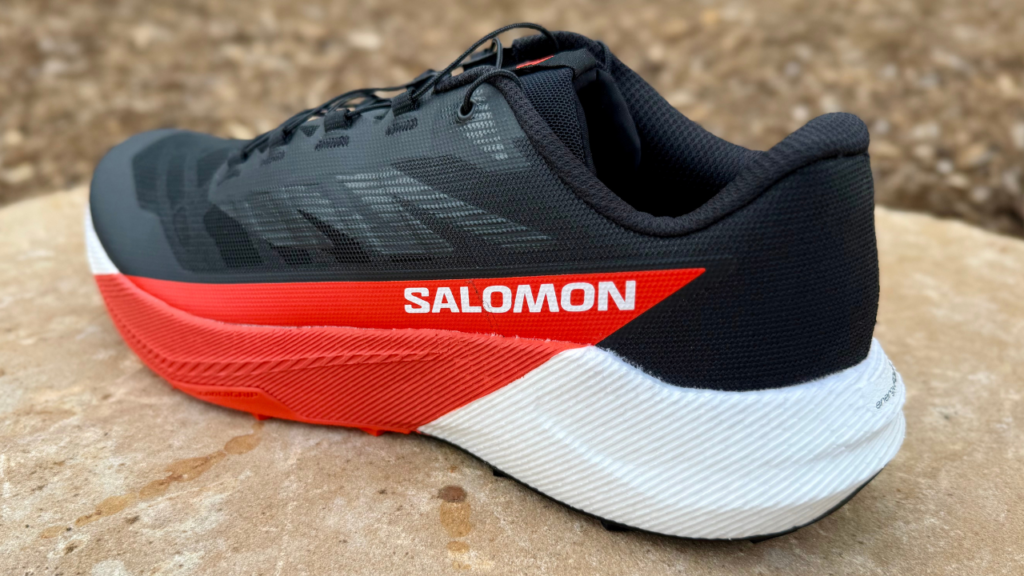
Support
Drew: In true Salomon form, the Pulsar is narrow but nimble. The firm midsole helps here, but the shoe is constructed to properly allow the midfoot and heel to sit down inside the midsole’s edges. The lacing system provides ample lockdown. When I had my foot tied in properly, it wasn’t going anywhere, even when the terrain went decidedly sideways or, you know, straight down.
You’ll feel secure rocketing around technical trails in the Salomon Pulsar.
Sam: It’s a secure instep as Drew mentioned, and allows for technical precision on the trails, as most models do. The only issue with support I had was in relation to how stiff the midsole was, which didn’t have a lot of give and caused me to go off camber a few times.
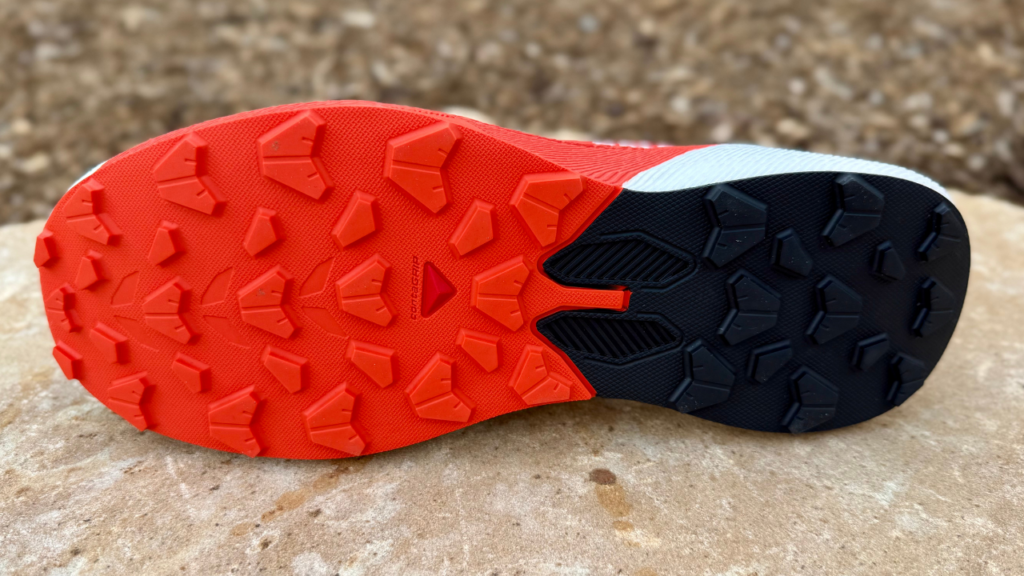
Traction
Drew: The Contagrip outsole is dependable with only the occasional slippage on softer, sandier surfaces. It’s a fairly standard Salomon outsole experience.
Sam: Contagrip is reliable. If you remember the Salomon Sense Ride, this is very similar in terms of an outsole experience. Not as grippy as other Salomon models, but perfect for a do-it-all shoe.
Upper
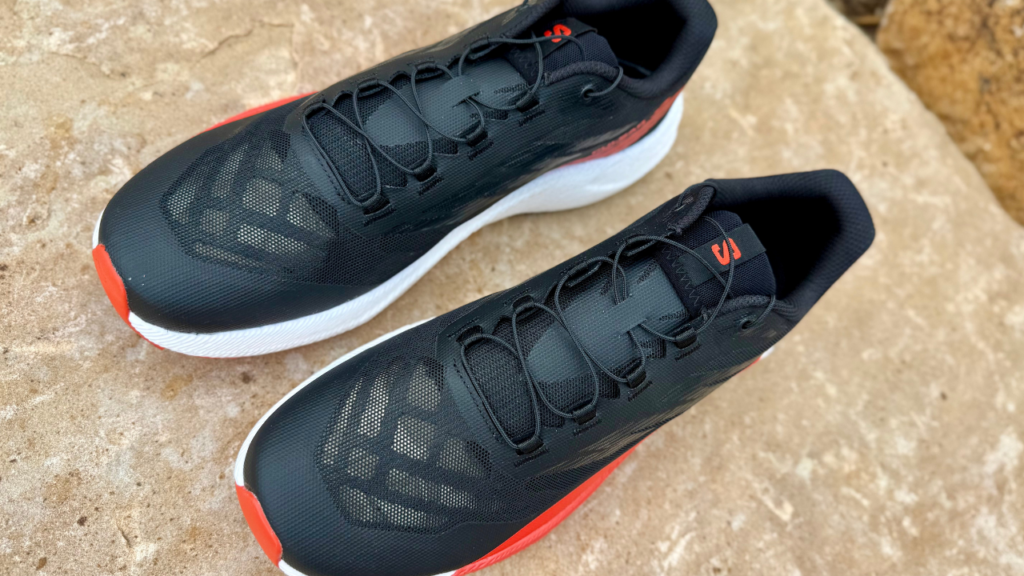
Drew: The Salomon Pulsar’s sensiFIT upper is minimal, basic, and breathable. It’s a great summer running build without too much material in any one area contributing to the nimble feel the shoe offers.
The Salomon Pulsar includes the quickLACE system and lace garage that’s standard on many Salomon trail shoes. I don’t mind this setup but I know it’s a polarizing setup that engenders vociferous feelings one way or the other for many.
But the minimalist upper works well and contributes to the lightweight feel of the Pulsar.
Sam: Salomon uppers can be hit or miss for me. The Pulsar felt like it swung far to the narrow side on Salomon’s fit chart, which isn’t the best for my wide foot. It’s snug and lightweight, though, which leads to a very controlled running experience.
Is the Salomon Pulsar wide foot friendly?
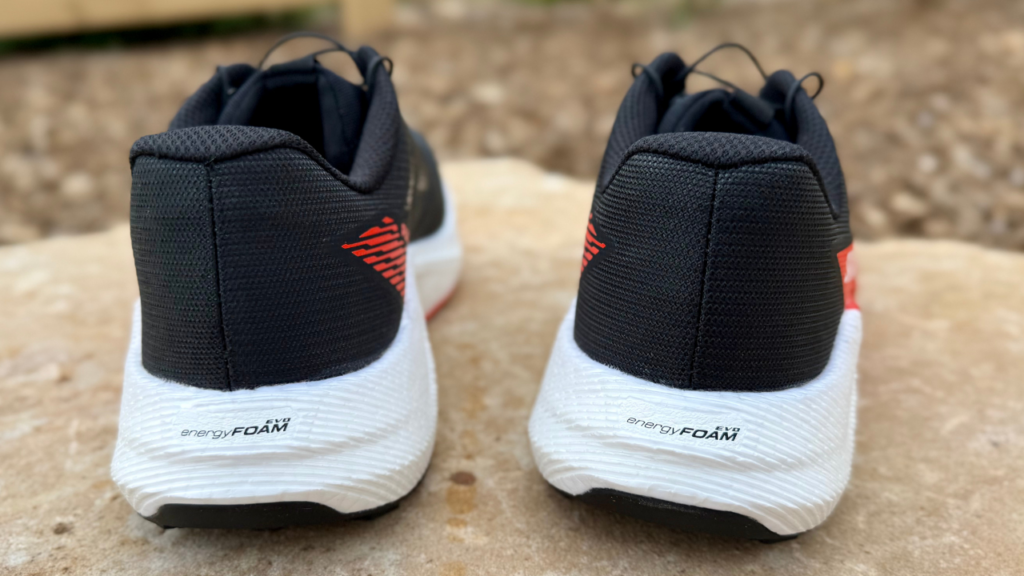
No, the Salomon Pulsar isn’t wide foot friendly and fits narrow. However, it does fit true-to-size lengthwise.
Is the Salomon Pulsar worth $140?
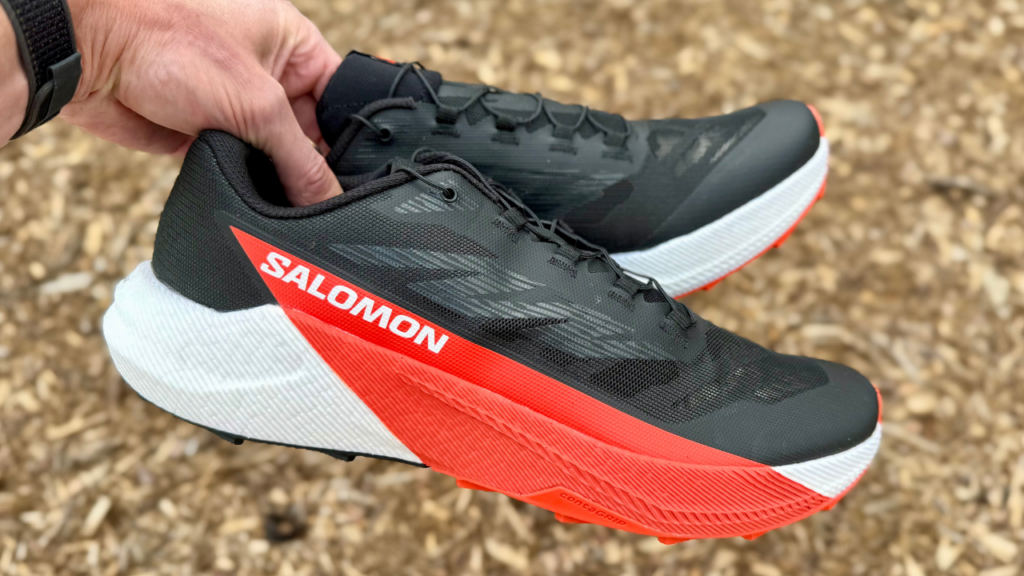
The Salomon Pulsar is only worth $140 if you don’t really care about cushion.
How to use the Salomon Pulsar
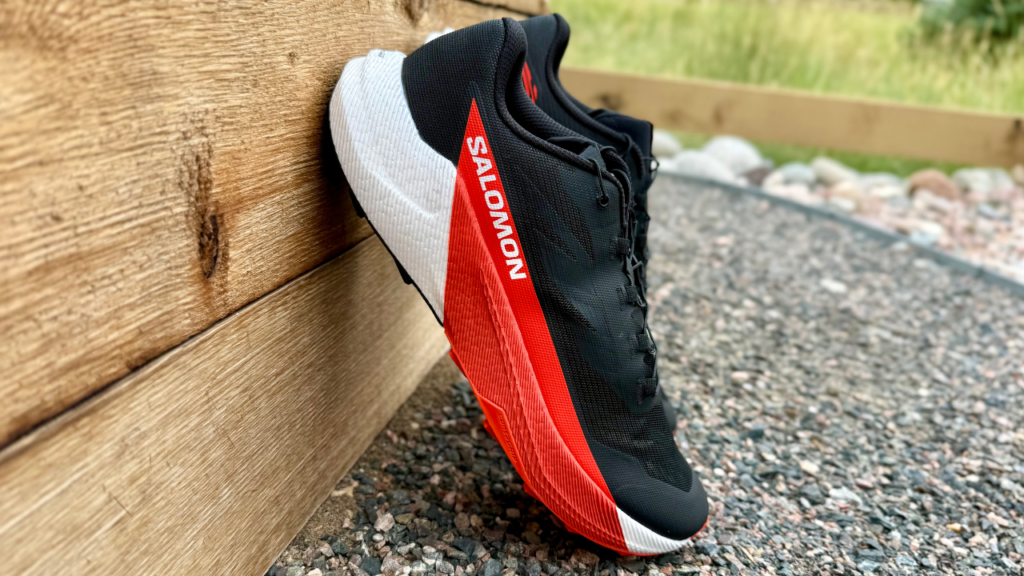
The Salomon Pulsar is best for those that prefer firmer shoes and want a minimal feel both below and around the foot as they tackle technical trails.
Salomon Pulsar Summary
The Salomon Pulsar will have a niche audience. A group that 1) doesn’t like the running industry’s current march toward marshmallowy softness underfoot, 2) runs technical trails where a nimble, dependable shoe is a necessity, and 3) doesn’t want to spend the $180+ to access today’s top tier of trail running shoes.
If that sounds like you, you may find the Salomon Pulsar suited to your needs. If it’s not you, check out our list of best Salomon running shoes to find a better option.
How does the Author Run?
Drew Whitcomb (age 43, 6’6″ 200lbs): Runs daily with a once a week rest day. Runs a lot of miles due to testing needs and a growing affinity for long-distance races. Regularly competes in marathons, half-marathons, 10k, and 5k races.
Sam Lohse (age 28, 6’0″, 170 lbs): Runs daily, sometimes morning/night doubles, with one rest day a week (typically). Hangs right around 40-50 miles a week in general unless in race-specific training. Races distances from 50K to 100 miles, almost always on the trails.
Disclosure
While Salomon did provide pairs of the Pulsar to facilitate this review, the company had no involvement in this review, didn’t receive an advance look at it, and has not attempted to influence it.