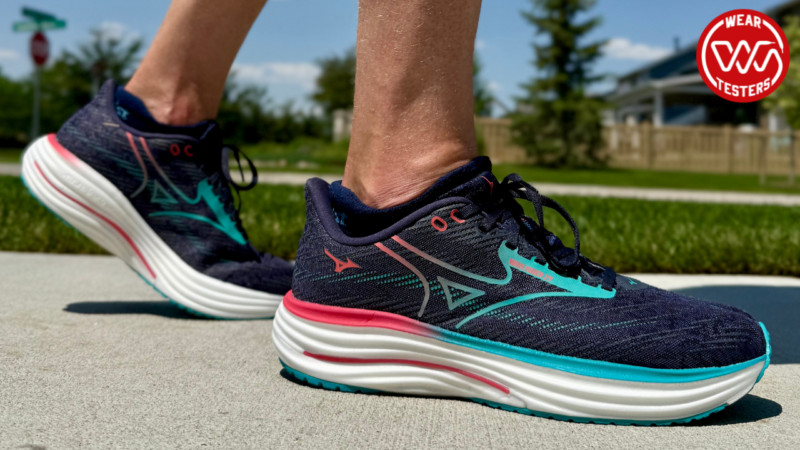
One of the best parts of running in 2025 is that there’s a shoe for everyone, and that’s no more true than in the daily trainer category (AKA the shoe you’re going to pull out most days to get in those miles). The Mizuno Wave Rider 29 is one such shoe. And, one of the toughest parts of being a runner in 2025 is sifting through all those daily trainer options to find which one is right for you.
Right now, one of the rising running shoe brands is Mizuno, with recent hits like the Neo Vista 2 redefining the company’s place in the running hierarchy and turning a whole lotta heads. Now their signature daily trainer, the Wave Rider, is back for its 29th iteration. Can it keep Mizuno’s hot streak going?
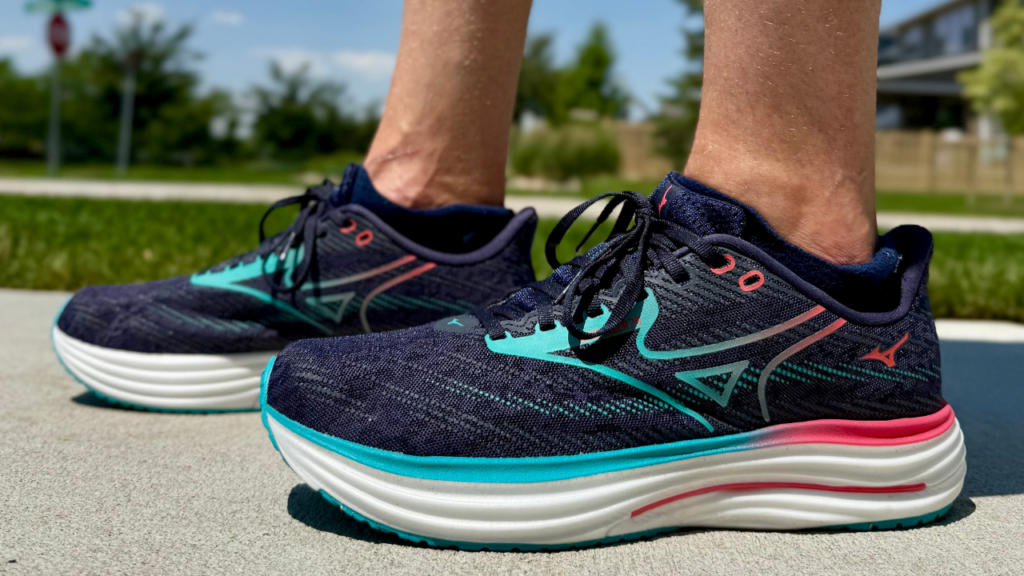
Mizuno Wave Rider 29
Release Date: June 2025
Price: $150
Men’s Weight: 9.3 oz. / 265 g
Women’s Weight: 7.9 oz. / 225 g
Drop: 10 mm (38.5 mm heel, 28.5 mm forefoot)
Sizing: True-to-size
- Rundown: The Mizuno Wave Rider 29 and its supercritical, nitrogen-infused EVA midsole deliver the best all-around Wave Rider in an already illustrious history.
Pros
- Versatile daily trainer that accommodates a variety of runners
- MIZUNO ENERZY NXT is a top-performing midsole foam
- Mizuno is on a hot streak with their recent releases
Cons
- Your (literal) mileage will vary
- This is core daily-trainer aesthetics, so don’t come looking for couture
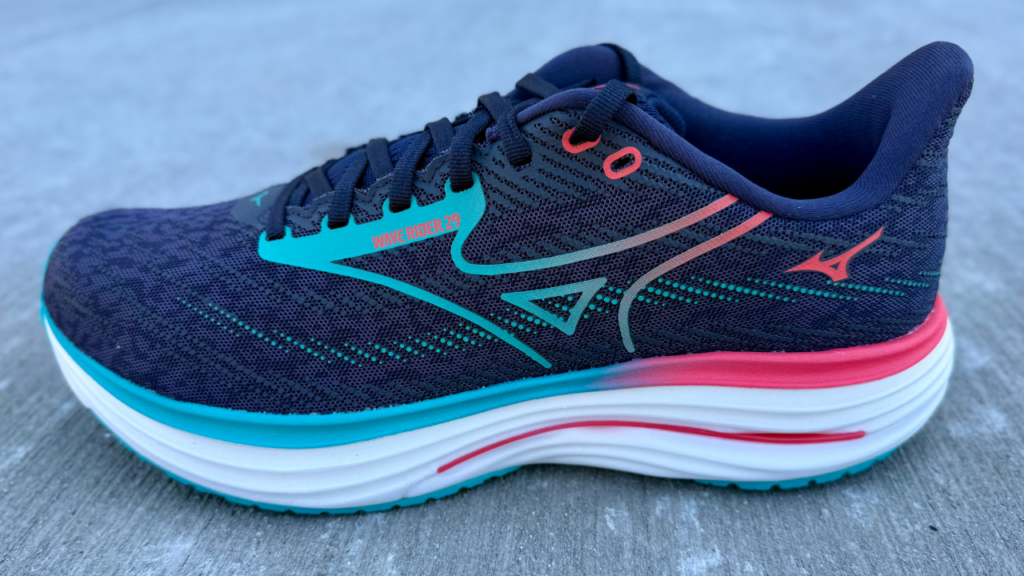
What is the Mizuno Wave Rider 29?
According to Mizuno, “[t]his shoe is an excellent choice for everyone from beginners to marathon fans who like moderate cushioning. The incorporation of NITROGEN INFUSED MIZUNO ENERZY NXT takes the softness and energy output to the next level in this shoe. It helps you smoothly transition from ground contact to pushing off. The MIZUNO WAVE structure works in concert to support forward propulsion and smooth weight transfer.”
Aside from gratuitous capitalization for emphasis [Editor’s Note: seriously, further brace yourselves for repeated, forced capitalizations due to official tech names…🫠], I like what Mizuno is saying here. The brand is reemphasizing the purpose of its WAVE [Editor’s Note: …ope, there’s one…] plate and asserting that the Wave Rider 29 is a new level of Wave Riders. Let’s find out if that’s true.
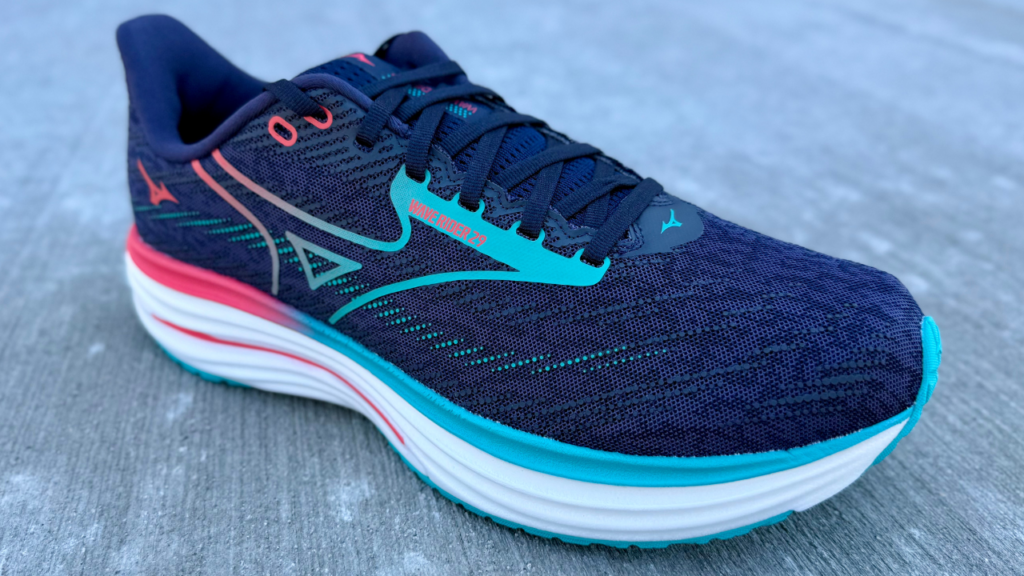
Cushion
Arune: I was skeptical when I saw that the Mizuno Wave Rider 29 featured “moderate cushion” because as a 210-pound runner, that usually means I’m going to feel that midsole foam bottom out within the first couple miles of a run.
As the kids would say, “I’m sorry Mizuno, I was not familiar with your game.” [Editor’s Note: Insert Steve Buscemi “how do you do, fellow kids” gif.]
While the midsole setup in the aforementioned Neo Vista 2 felt out of control under my feet, the ENERZY NXT foam here works better for me because it’s not a giant slab of foam that’s causing me instability. The crazy bounciness of the foam on the Neo Vista 2 is replaced with a snappiness on the Wave Rider as the midsole perfectly comforts my foot on impact then rolls me right onto my toes for the perfect stride.
If you need any further confirmation of how this implementation of the ENERZY NXT foam works for me, I’ve found a reason to wear this shoe every day since I got it—from short runs, to dog walks, to errands. The Mizuno Wave Rider 29 has the kind of ride—at any speed—that makes your feet happy.
It’s rare that I enjoy the cushioning in a standard daily trainer. I tend to like super trainers like a Nike Zoom Fly 6 or Asics Superblast 2. But the Mizuno Wave Rider 29 is the first daily trainer in many years that truly brings me immense joy.
It’s a reminder of why I love running.
Drew: The Mizuno Wave Rider 29’s nitrogen-infused EVA top and bottom layers (with a TPU WAVE plate in between) come together to be the best midsole ever on a Wave Rider. And this is coming from a guy who tried it periodically starting with the Wave Rider 2 in 1999. Coincidentally, if you’d like to look back at the Wave Rider’s early history, I found this great round-up of the first 19 models.
Even though it’s named the same as the ENERZY NXT on the Neo Vista 2, the version used for the top layer of that shoe is nitrogen-infused TPU, not EVA. And that’s where you get the wild difference in underfoot feel. Instead of plush and pillowy like on the Neo Vista 2, the Wave Rider 29 features mid-tier supercritical foam that’s firm-ish but with an enjoyable, soft landing. The impact protection is very good, but you don’t get much (if any) help with toe-off.
This is a great foam for beginning runners and those who want some impact protection without the trending marshmallowy underfoot feel of many modern running shoes. The Mizuno Wave Rider 29 also doubles as a great walking or working shoe—just firm enough to keep the foot grounded throughout the day and just soft enough to keep your body feeling good throughout a long day on foot.
I think a lot of Wave Rider fans will be pleased with this evolution from previous models.
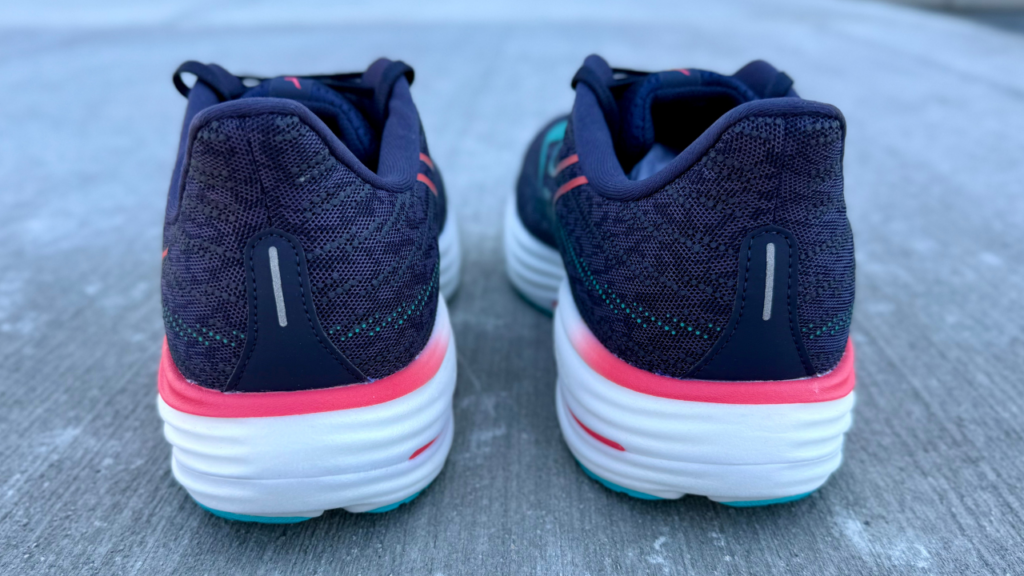
Support
Arune: I’ve had the chance to test a lot of stability shoes this year, and it’s been fun given how much the lack of stability is my top problem with most (more neutral) shoes I test.
So I was surprised that the ENERZY NXT—which I mentioned felt unstable for me in the Neo Vista 2—now felt like it had a more controlled energy return where my foot nestled evenly into the midsole instead of fighting with the foam (likely due to the difference between the TPU and EVA-based top layers of each, as Drew noted).
Credit likely also goes to the WAVE plate which the company claims “disperses energy from impact to a broader area providing a stable platform and a superior cushioning.”
It’s further impressive to me that this stability is not only great at slower speeds (something I find rare with a bouncier midsole foam) but also somehow gets even better at fast speeds.
Drew: The WAVE plate in the Mizuno Wave Rider has been stabilizing runners since the beginning without rising to the level of a stability shoe. When it’s gotten too stiff or too present, Wave Riders have gotten subpar reviews.
But in the Mizuno Wave Rider 29, the gentle support makes landings more stable and prevents the foot from getting wonky when impacting the ground. While that’s technically a stability feature, it’s so under-the-radar that it doesn’t register while running. All the wearer gets is the feeling of a smooth transition from heel to toe.
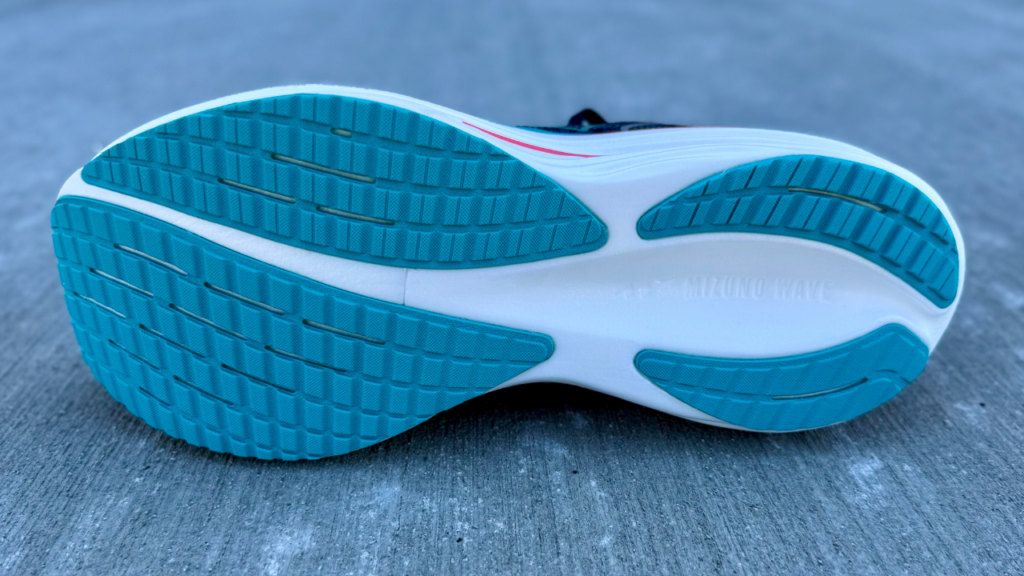
Traction
Arune: It’s been hot and dry here in Los Angeles, so all I can say about the Mizuno Wave Rider 29’s grip is that I had no issues across pavement, gravel, and a variety of grassy surfaces.
The X10 rubber outsole looks like something meant to eat up a lot of miles before you ever notice any serious traction or wear issues.
I’m putting in at least three miles a day on these shoes; and even after 100 miles to date, the outsole looks pretty damn great.
Drew: As Arune pointed out, the Mizuno Wave Rider 29’s X10 outsole delivers the durability I expect from Mizuno running shoes. Some of the newer (more plush) models don’t deliver that same durability, but this is more in line with the Mizuno tradition of outsoles that will outlast the midsole. You’ll get more miles than the average running shoe from the Wave Rider 29.
As for its performance, it’s solid across the board. Wet-to-dry transitions and various other conditions didn’t cause any issues. The simple, rectangular-lined pattern with its various flex grooves was reliable.
Upper
Arune: I would never judge a book—or shoe—by its cover, but that doesn’t mean I can’t have an opinion.
And for all the great performance of the Mizuno Wave Rider 29, I have to admit that at first glance it looks like it could be mistaken for a variety of Asics, Brooks, or even Saucony daily trainers. Now that could be intentional—in a market with such big-name competitors, a similar aesthetic may help it be noticed by customers who would tend to chase the latest Brooks Ghost.
That said, the ride for this shoe is so spectacular that I can’t help but wish it had a design, and/or colorways, that feel just as spectacular.
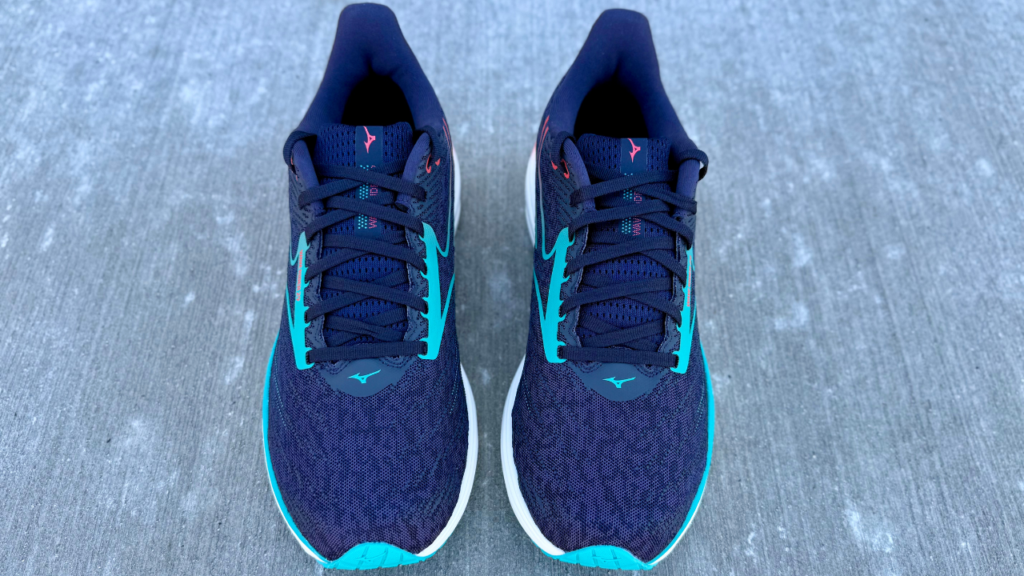
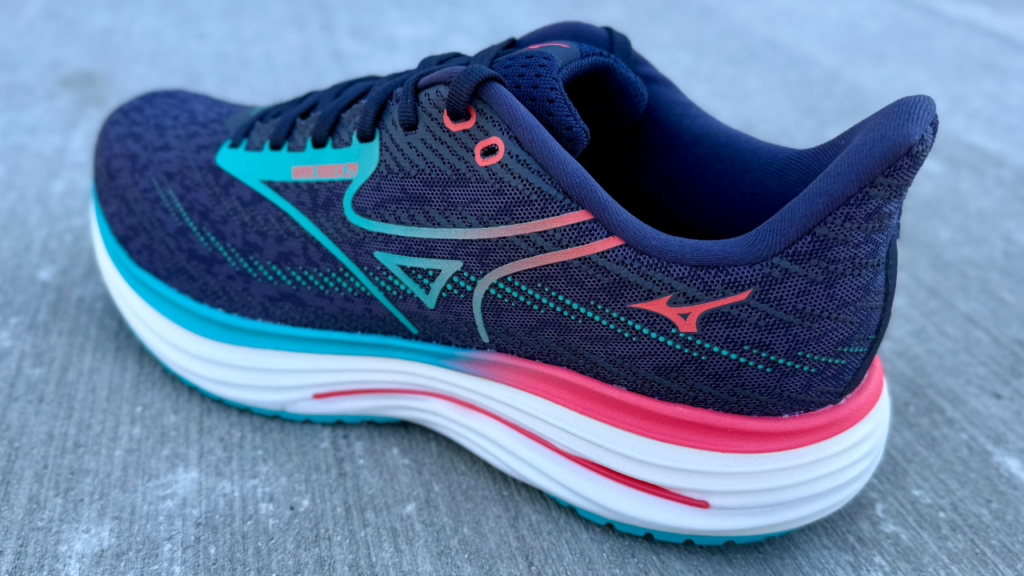
But let’s move on to the upper beyond its aesthetics. It has been redesigned and features a more accommodating shape that makes my Hobbit feet (AKA wide forefoot) feel completely at home without immediately needing to consider a wider pair (though Mizuno does have a 2E version readily available). The jacquard mesh really perfectly hugs my foot and allows for full toe splay.
I will say that after about five miles I had enough foot swelling (perhaps from the heat) that I wanted to consider something else to finish my run; but this was less of an issue as I speed walked for my cooldown following the run. So I would be curious if the 2E’s fit would allow me to run farther. But based on the standard version, I would keep the Wave Rider 29 for shorter runs (like a 5K) and have a strict max-out (likely a 10K) in my case.
Drew: Ok, fine, Arune’s right. The upper is boring. But that’s par for the course with the Wave Rider. And it’s actually better looking than many of the uppers from recent years.
I found the Mizuno Wave Rider 29’s upper comfortable if slightly warm during my summer test period. But it’s also comfortable without being overbuilt or bulky. It’s a solid running shoe upper that could use a bit more breathability.
Is the Mizuno Wave Rider 29 wide foot friendly?
Arune: Yes, via both a more accommodating standard width and the readily available wide (2E) version.
Mizuno is somehow still incredibly underrated by how accessible they make running for a variety of foot shapes, and I’m constantly impressed at the execution across numerous models.
Drew: The standard Mizuno Wave Rider 29 will work for some wide-footers, but others will find the Women’s Wide D and Men’s Wide 2E a better fit—especially if they plan to take the Wave Rider 29 for longer distances. Both the Men’s Wide 2E and Women’s Wide D are also available at Running Warehouse.
Is the Mizuno Wave Rider 29 worth $150?
Arune: I think the answer will be “YES” for most runners who pick up this shoe.
While Mizuno promotes this as “an excellent choice for everyone from beginners to marathon fans”, I’m not entirely convinced that this is the shoe that will get you through a full marathon—unless “marathon fans” means people on the sideline who cheer.
This is an excellent daily trainer that is the exact kind of shoe I’d recommend to someone beginning their running journey or coming back to it after some time off. It’s a smooth, fun ride and on the lower end of the modern daily-trainer median pricing (closer to $160 these days).
And it’s an excellent shoe to use for everyday life as well, with enough stability to keep you moving at any speed or on any surface.
Would it be the first shoe I pick up as my one shoe to do it all? No, that’s likely to be a super trainer (which ends up closer to $200) or even something at a similar, $150 price point like the adidas Evo SL.
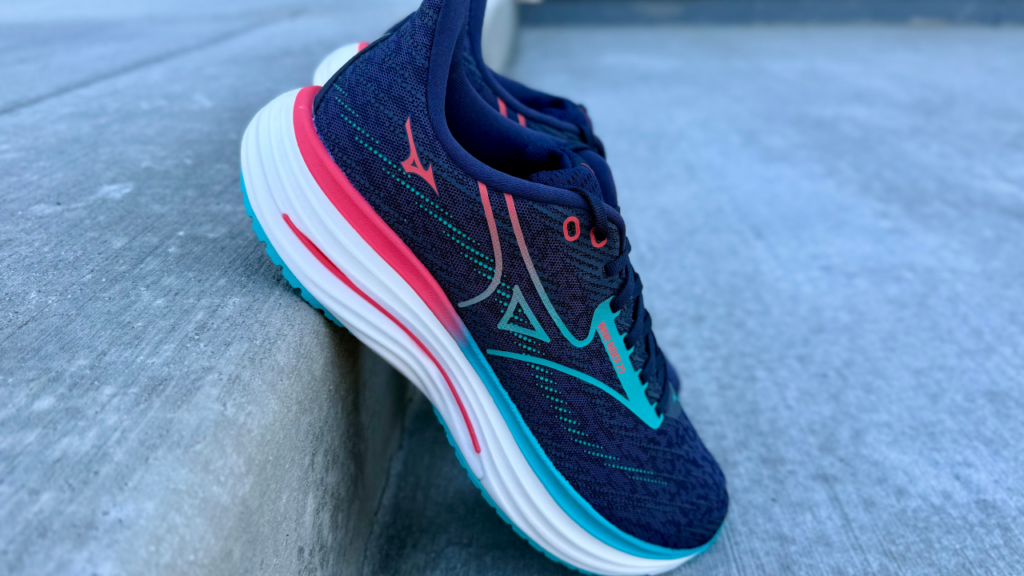
Drew: While the Mizuno Wave Rider 29 isn’t the most versatile shoe (it’s not built to easily pick up speed like the Evo SL, for example), it is a daily trainer worthy of the $150 price point. It delivers most of what you’d expect at that price and excellent durability as well.
How to use the Mizuno Wave Rider 29
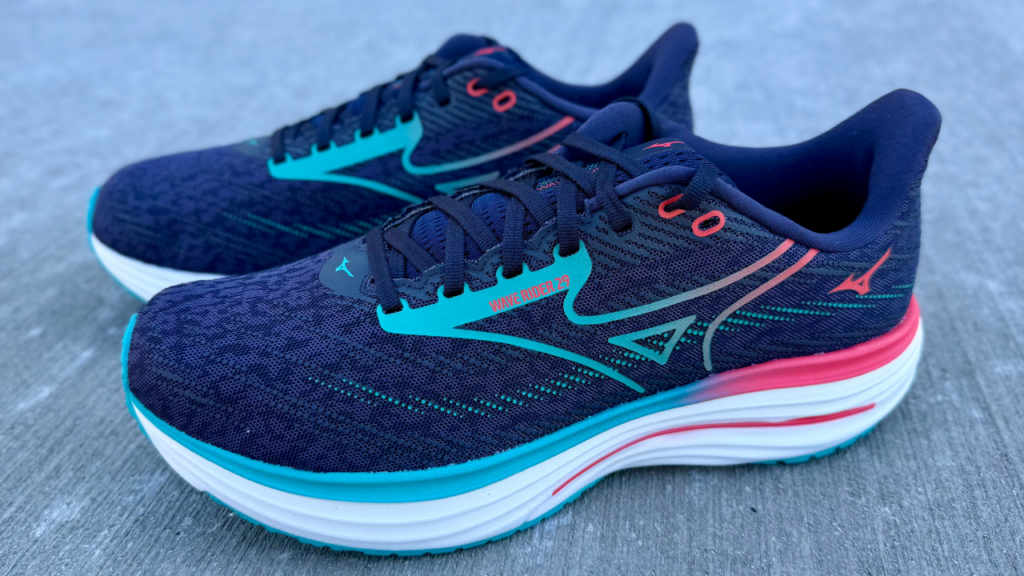
The Mizuno Wave Rider 29 is a durable daily trainer with a firm-ish yet protective midsole that’s best used for soaking up miles on easy or recovery runs. It’s also a very good shoe for new runners.
Mizuno Wave Rider 29 Summary
Arune: While this may not be a long-distance shoe for me, the Mizuno Wave Rider 29 is my favorite moderate-cushion daily trainer in years, and it brings an infectious joy to your everyday runs.
I’ve worn this shoe every day since I got it; and while I don’t think it’s going to bottom out any time soon, I already expect I’ll be purchasing another pair to ensure I don’t miss out on the daily comfort.
Drew: The Mizuno Wave Rider 29 is my favorite Wave Rider ever thanks to the wildly improved midsole that softens landings while still maintaining the firmer underfoot feel traditionally associated with the Wave Rider franchise. And while it’s not the most dynamic or best looking shoe, it’s very capable and delivers good value for the price.
How does the Author Run?
Drew Whitcomb (age 43, 6’6″ 200lbs): Runs daily with a once a week rest day. Runs a lot of miles due to testing needs and a growing affinity for long-distance races. Regularly competes in marathons, half-marathons, 10k, and 5k races.
Arune Singh (age 43, 5’11”, 210lbs): Trains daily with functional fitness programming from Deadboys Fitness, founded by Colby “Seth Rollins” Lopez and Josh Gallegos, along with logging 30-40 miles of running per week. He also has a medical history of Sleep Apnea and Myasthenia Gravis, meaning Arune’s focus is on lean muscle mass.
Disclosure
While Mizuno did provide pairs of the Mizuno Wave Rider 29 to facilitate this review, the company had no involvement in this review, didn’t receive an advance look at it, and has not attempted to influence it.